1997: PhD in Structural Chemistry, Università di Milano
1993: Master in Chemistry (with Honours) University of Milano
2021-Present: Senior Researcher at Institute of Agricultural Biology and Biotechnology of the CNR
2019-2021: Lecturer on the Natural Sciences Programme, Leicester University, Leicester, England, UK
2018-2021: Wellcome Trust ISSF and LISCB Fellow, Molecular and Cell Biology Department, Leicester University, Leicester, England, UK
2012-2013: Ikerbasque Visiting Professorship sponsored by the Basque Foundation of Science at CIC BioGUNE, Bilbao, Biscay, Basque Country, Spain
2008-2013: EP Abraham Fellow and Tutor for the undergraduate and graduate students in Biochemistry, Lincoln College, Oxford, Inghilterra, Oxford, England, UK
2003-2018: Postdoctoral Research Assistant, Departments of Biochemistry (2003-2005 and 2013-2018) and Pathology (2005-2012), Oxford University, Oxford, England, UK
2000-2003: Researcher at GlobalPhasing Ltd., Cambridge, England, UK
1996-2000: Postdoctoral Research Assistant, MRC-LMB, Cambridge University, Cambridge, England, UK


EU-IBISBA is a pan-European research infrastructure dedicated to Industrial Biotechnology that provides a single access point to researchers from academia and industry across the globe to integrated services for end-to-end bioprocess development. By federating European expertise and state-of-the-art research and development facilities, we promote standardization and best data practices as core elements of service reproducibility and interoperability. In doing so, EU-IBISBA accelerates the production and translation of cutting-edge knowledge into innovation for biomanufacturing.
IBISBA-IT serves as the Italian Node of EU-IBISBA, playing a distinct role across four key domains: Synthetic Biology, Green Chemistry, Sustainable Bioenergy, and Functional Food. IBISBA-IT contributes to the overarching goals of EU-IBISBA by bolstering the Italian scientific research in Industrial Biotechnology, supporting national and local authorities, and fostering training and educational initiatives.

Heat and drought stress plants. An important role in resistance to this stress is played by an enzyme called Endoplasmic Reticulum Degradation Enhancing Mannosidase (‘EDEM’). This enzyme exists in a heat-resistant form in a thermophilic fungus originally discovered in a pile of horse manure that fermented in the sun at around 60-65 °C. The first part of the project will test the stress resistance of plants expressing that thermoresistant fungus’ EDEM. Such a transgenic plant could be useful for extracting heavy metals and/or inducing the degradation of organic compounds in contaminated soils (phytoremediation) or in agriculture, to increase agricultural productivity under hostile conditions (heat stress or water shortage during flowering and pollination). The second part of the project aims to obtain a 3D model of EDEM – by X-ray crystallography and/or transmission electron cryomicroscopy. This model will help to understand how EDEM works and to design molecules to modulate its catalytic activity. In addition to the structure, the activity of the enzyme will be characterised in vitro, in cellula and in planta.

Proteins – large molecules central to life – adopt a specific shape to perform their activities. This process is called folding and, for some proteins, it happens in a cell organelle called Endoplasmic Reticulum (ER). In the ER, a wonderfully efficient machinery retains newly made proteins until they are folded properly. This quality control is of great help to healthy people, but in individuals carrying a DNA mutation in a secreted protein gene, the same system causes disease. What happens in these patients is that the quality control system recognises a defect in a mutated protein, which then remains stuck in the ER, even if the defect is small and the patient would still profit from the protein’s exit from the ER, because of its residual activity (“responsive mutant”). Terrible disease ensues. We shall study in the laboratorywhat the quality control does to such responsive mutants, following their trajectories in human cells in which the quality control checkpoint has been deleted. If, in these conditions, the responsive mutant can escape the ER, then a drug that loosens the same checkpoint should have therapeutic potential in a broad range of rare diseases. We selected a panel of ten such defective proteins, hand-picked from the set of 6,000 or so human proteins whose function is little or completely unknown (“Tdark proteins”). This choice has the additional advantage that we shall contribute basic knowledge about Tdarks, towards future treatment of patients whose rare disease is presently not understood let alone cured.

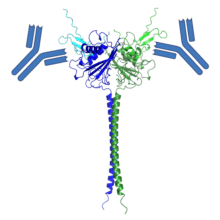
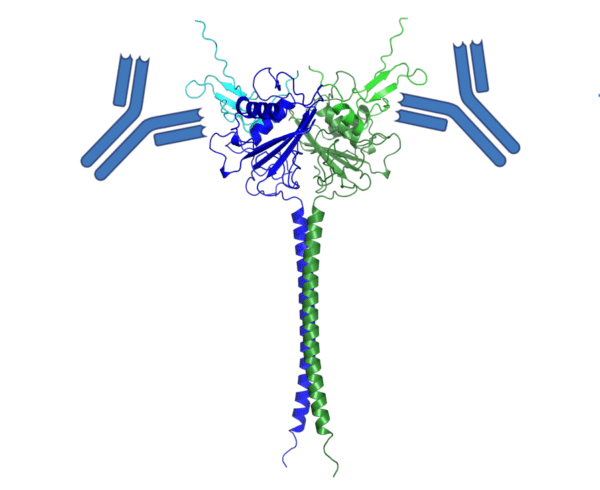
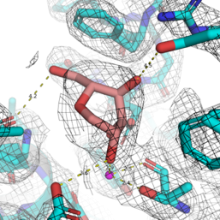
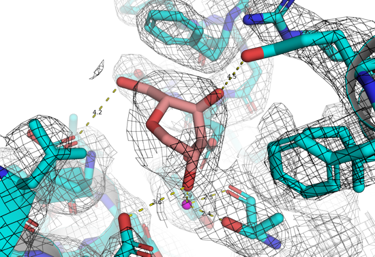
Endoplasmic reticulum-associated degradation (ERAD) is a fundamental strategy of the eukaryotic cell that enables it to degrade all glycoproteins that fail to fold properly – to prevent a build-up of misfolded glycoproteins from clogging the RE. ERAD is initiated by its control enzyme, Endoplasmic Reticulum Degradation Mannosidase (EDEM), which is able to recognise any terminally misfolded glycoprotein, and flag it for degradation. The specific objective of this project is to identify small molecular ligands of HsEDEM3 that bind to the catalytic and/or allosteric sites, and to assay their inhibitory power in the cell. These ligands will constitute starting points for future medicinal chemistry aimed at developing specific inhibitors for HsEDEM3. By Fragment Based Lead Discovery screening, we aim to identify fragments that bind to the catalytic site of HsEDEM3 and compounds that may interfere with the interaction of the catalytic domain with the C-terminal domains of the same protein. The potential long-term outcome of this work would be an allosteric inhibitor or an inhibitor of the catalytic site of HsEDEM3 to be included in antiviral, anti-cancer studies or for the therapy of certain rare diseases. Our aims are: A: Cloning, expression and purification of human EDEM3 GH47 catalytic domain soluble constructs; B: Crystallisation of human EDEM3 GH47 catalytic domain soluble constructs obtained in 1; C: Discovery of ligands of the EDEM3 GH47 catalytic domain soluble constructs (via Fragment-Based Lead Discovery with the crystals from 2); D: Human HsEDEM3 in vitro and cellular inhibition assays to test if the EDEM GH47 ligand fragments obtained in 3. are EDEM3 inhibitors.

In a Drosophila model, the promotion of ER-associated degradation (ERAD) by increasing the levels of ERAD-enhancing α-mannosidase-like proteins (EDEMs) was found to provide protection against chronic ER proteinopathy without causing any toxicity (10.1016/j.devcel.2017.05.019). This protective effect was observed without affecting the UPR gene expression network. Interestingly, as the brain aged, ERAD activity in the fruit fly decreased, but upregulation of EDEMs countered age-related behavioural decline and extended lifespan. Notably, the mannosidase activity of EDEMs was not necessary for these protective effects. Consequently, boosting EDEM function in ERAD holds promise as a potential therapeutic target for chronic diseases. Our recent Cryo-EM structure of an EDEM:PDI complex suggests that the redox activity of the complex is important for its function: clients may be recruited to the complex via mixed disulfides to the PDI. We shall use protein chemistry and structural biology to confirm that the redox activity of the ERAD misfolding checkpoint is important, which in turn may explain the observed mannosidase-independent role of EDEMs in aging.

The seed of the maize plant (Zea mays, aka corn) contains zeins, seed storage proteins located within its cells’ Endoplasmic Reticulum (ER) lumen. The maize major seed storage protein, Zea mays 27g-zein (Zm27g-zein), polymerises in the maize seed ER to form large cages – which then accumulate in their interior other maize seed storage proteins, thus providing structural scaffold to the protein body (PB) which is the major food source of the seed. The N-terminus of Zm27g-zein is necessary for the polymerisation to form the PB cage – and the C-terminus of the protein folds as a 2S-albumin fold – but no structures are available for the whole protein nor for either domain in isolation. Most importantly, the way Zm27g-zein gives rise to the molecular structure of the PB cage is completely unknown, including questions such as what intermolecular Zm27g-zein : Zm27g-zein covalent and non-covalent interactions form the PB cage; are there any pores in the PB cage and if so of what size; or the relative orientation of the N- and C-termini in the context for the fully formed PB cage (are Zm27g-zein N-/C- termini in the PB interior, or the exterior, or both?). These questions about the Zm27g-zein PB cage are very important for applications using in the fields of food science, recombinant protein expression, pharmacology and nanotechnology. We shall answer these questions using confocal microscopy, X-ray crystallography and Cryo-EM.

Emerging infectious diseases, defined by the WHO as infections caused by newly identified or previously unknown pathogens, represent a growing threat to global public health. The SARS-CoV-2 pandemic has shown how vulnerable our societies can be, but also how important tools such as infection control, virus DNA analysis, vaccine and drug development, and understanding of our immune system defenses are. Many of these diseases originate in animals and can be transmitted to humans. For this reason, the One Health approach is essential, recognizing that human health is closely connected to animal and environmental health. Within this context, the INF-ACT research program studies emerging infectious diseases to improve the prevention and response capacity of healthcare systems. The program focuses on emerging viruses, insect-borne diseases, antibiotic-resistant bacteria, the study of infection spread, and the development of new therapies.
As part of this project, IBBA-CNR is developing new tools to quickly detect antibiotic-resistant bacteria by analyzing samples from humans, animals, and the environment. The goal is to improve the diagnosis and control of these infections, better understand the prevalence of antibiotic resistance, and strengthen surveillance, always following the One Health approach.

Plant, animal and microbial genetic resources and adaptation to climatic changes
The resilience of agricultural and forest ecosystems under stressful conditions generated by climate change requires the enhancement and exploitation of genetic resources through state-of-the-art conservation strategies, combined with in-depth genome characterization and high-throughput phenotyping.
Activities include large-scale sequencing of accessions/breeds/strains, extensive marker-based genome descriptions, elucidation of the (pan)genome, deep phenotyping, and multi-omics characterization.
The resulting information, processed through advanced methods for the analysis, interpretation, archiving, and management of complex data, will highlight superior alleles/haplotypes, identify beneficial interactions across a variety of conditions, and define conservation units.

Protein function can be understood through protein structure. The structure of a protein can inform the design of modifications resulting in increase or reduction of activity, depending on the desired goal. The service we are developing is a structure determination pipeline (from gene to protein structure). The design of synthetic proteins needs both validation by structure determination and it need to be inspired by structures of the proteins – either the ones to be modified or the products of the initial stages of design. The user will provide either the gene encoding the protein of interest, or vector/expression system and purification protocol for producing it recombinantly, or purified protein. The service will provide either of the following deliverables:

The most critical challenges currently faced by our society include pollution, land use and climate change, and their impacts on biodiversity and ecosystem integrity, which urgently require quantitative knowledge to be translated into actionable strategies. Given the complexity of these challenges, a multidisciplinary Earth System approach is essential, combining field and laboratory measurements, experimental analyses, data management and modeling tools across interconnected environmental domains. In this framework, ITINERIS was established as a thematic network bringing together 22 environmental Research Infrastructures to build an integrated national system for the observation and study of atmospheric, marine, terrestrial biosphere and geosphere processes.
Within WP6 – Terrestrial Biosphere, CNR-IBBA contributes to the development of harmonized and distributed platforms for metagenomic analyses, biomolecule production, and structural and functional characterization.
By promoting interoperability and data standardization in line with the IBISBA-EU roadmap, ITINERIS supports a long-term, innovative vision of Italian and European environmental research.

With a multidisciplinary approach, Nutrage aims to promote solutions and strategies for active and healthy aging, which have significant implications for the future, well-being, and social cohesion of the country. Evidence suggests that nutrition plays a key role in promoting the prevention and delaying the onset of major aging-related diseases. Therefore, the project intends to develop new foods with high nutritional value, new dietary regimens, and specific personalized nutrition programs, and to promote new pathways to support the health, well-being, and safety of the most vulnerable populations. The specific objectives of the project are: