2004: Ph.D. in Molecular Medicine (Genomics, Proteomics and Correlated Technologies) at University of Milan (Milan, Italy)
1998: Licensing of professional biologist
1997: Graduated Degree in Biology at the University of Milan (Milan, Italy)
2010-Present: Researcher at Italian National Research Council, Institute of Agricultural Biology and Biotechnology (IBBA-CNR), Lodi
2009-2010: Researcher with temporary position at Italian National Research Council, Institute of Agricultural Biology and Biotechnology (IBBA-CNR), Lodi
2007-2008: Fellowship at Italian National Research Council, Institute of Agricultural Biology and Biotechnology (IBBA-CNR)
2005-2006: Fellowship at University of Milan, Department of Biomedical Sciences and Technology

The BIOGENVER project was established to safeguard and promote the Nera di Verzasca goat, a native Lombardy breed that is at severe risk of extinction. Coordinated by the IBBA-CNR, the project involves the Department of Medical-Veterinary Sciences of the University of Parma and three custodian farms, with the support of AssoNaPa, the breed’s official breeding association.
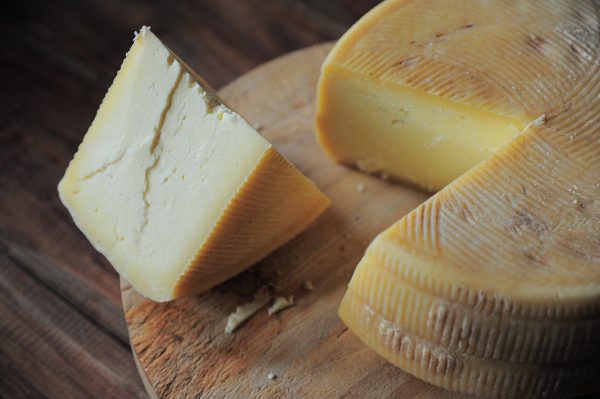
Through genotyping and pedigree analysis, mating plans based on Optimal Contributions will be developed to reduce inbreeding and relatedness, preserve genetic variability, and improve production quality. Analyses of milk composition and cheese-making performance will help guide breeding decisions, while also enhancing the value of traditional products such as Formaggella del Luinese PDO.
The selection of new breeding animals will also make it possible to expand and diversify the collection of semen already preserved in the IBBA-CNR Animal Germplasm Cryobank. Farmers will be directly involved in animal evaluations and in the shared definition of breeding objectives.
BIOGENVER therefore aims to integrate biodiversity conservation, production quality, sustainability, and territorial identity, developing an approach to the conservation and enhancement of the Nera di Verzasca breed that can also serve as a model for other local goat breeds.

EU-IBISBA is a pan-European research infrastructure dedicated to Industrial Biotechnology that provides a single access point to researchers from academia and industry across the globe to integrated services for end-to-end bioprocess development. By federating European expertise and state-of-the-art research and development facilities, we promote standardization and best data practices as core elements of service reproducibility and interoperability. In doing so, EU-IBISBA accelerates the production and translation of cutting-edge knowledge into innovation for biomanufacturing.
IBISBA-IT serves as the Italian Node of EU-IBISBA, playing a distinct role across four key domains: Synthetic Biology, Green Chemistry, Sustainable Bioenergy, and Functional Food. IBISBA-IT contributes to the overarching goals of EU-IBISBA by bolstering the Italian scientific research in Industrial Biotechnology, supporting national and local authorities, and fostering training and educational initiatives.

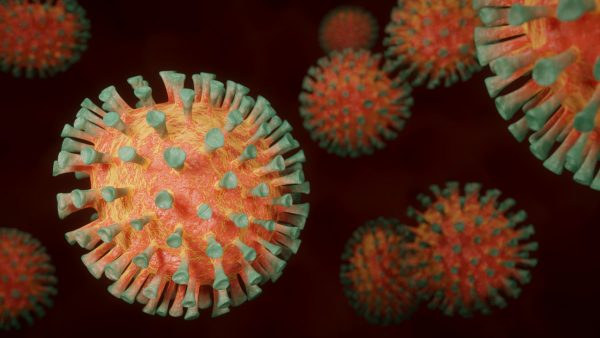
The COVES project will develop and validate a simplified sampling and analysis procedure on a portable device for the specific and sensitive detection of the SARS-CoV-2 virus in the environment. This procedure will ensure greater safety in the work areas, thus reducing the negative impact that the COVID-19 emergency has on the local and national economy and decreasing the gap between the information and the suggested solutions. The main result of the project will be the development of a method for the rapid analysis of the SARS-CoV-2 in the environment, suitable for a field-use also by non-expert users. The project involves Hyris Ltd, leader of the project, which develops the technology, IBBA CNR which will take charge of the method validations and IZSLER (section of Pavia) which will validate “in-situ” the efficacy of this method on various contaminated surfaces using SARS-CoV-2 positive samples with known concentration.


The FILAGRO project aims to provide solutions to several issues that are emerging in the field of modern agriculture. They concern: production sustainability, biodiversity and environment preservation; improvement in food quality, safety and healthy and nutritional aspects; technology development in favor of industry; new knowledge dissemination. These issues are highlighted as of high importance in the EXPO 2015 and Horizon 2020 programs as well as in the 2013-2015 plan of the Agriculture Directorate of the Lombardy Region.

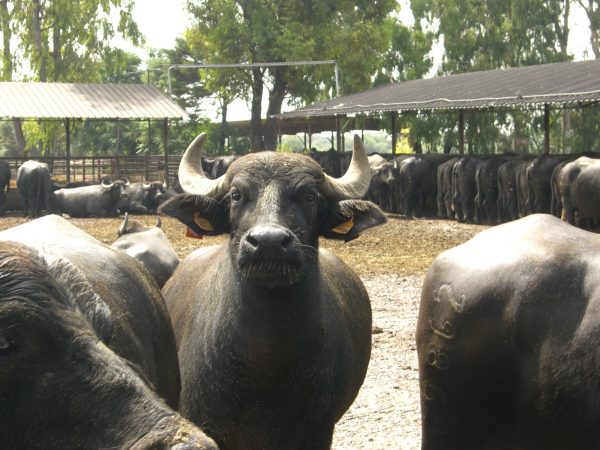
GENOBU is an original, innovative and multidisciplinary project combining genome sequencing of the water buffalo to the healthiness of animals and the improvement of quality and quantity of buffalo food products. The project will develop know-how and innovative process technologies to be provided to breeders and agro-food industry, with the objectives of optimizing the efficiency in milk processing, and to ensure best nutraceutical value to buffalo foods.

The objective of this project was to analyse how the frequencies of the main casein variants and haplotypes changed in the Italian Holstein breed, and the possible effects on milk technological properties (milks more suitable for dairy processing, with potential greater digestibility). The results obtained by the genotyping (Illumina beadchip) of all the historical data available (over 220,000 Italian Holstein Friesian individuals and over 600 Italian Jersey individuals) were analysed in order to verify how the allele frequencies to the casein genes have been changing in recent years. The results indicate that the increase of the B allele, favourable for cheese-making, and the decrease of the unfavourable E allele at the k-casein are compensating the increase of the A 2 allele at the β-casein, generally maintaining a good proportion of haplotypes associated with good cheese-making properties.

The project, which involves different departments of the University of Milan (DISAA, DIMEVET, VESPA), researchers from the CNR ISPA and CNR IBBA and the DIANA Department of the Catholic University of the Sacred Heart of Piacenza, aims the primary identification of operative practices for reducing the use of antibiotics in the dairy cow herds. During the study, operative protocols already preliminary tested (administration of Aloe arborescens, use of Lactococcus lactis subsp. cremoris in pre and post dipping, molecules to inhibit Prototheca spp) will be validated during the entire lactation cycle of the cows.
This project will allow breeders to take advantages of new nutraceutical strategies and alternatives to the use of antibiotics, to enhance the innate defences and reduce the incidence and severity of mastitis. The validation of an effective protocol for the selective drying of animals would lead to a reduction of the preventive use of antibiotics, in line with what is requested at European level.

The complexity of the current global socio-ecological crisis highlights the limits of specialist science as the only voice capable of informing decisions. In the contemporary scenario, where the facts are uncertain, the values in contrast and the stakes are high, the social contract between science, society and politics is in a phase of profound transformation. To face this change, the scientific community has to revisit its social role, creating new relationships not only with society but also with ecological systems, to generate responsible research practices capable of producing relevant knowledge. BRIDGES is a social research project that develops trans-disciplinary and participatory research methods to strengthen the relationship between science, society and ecological systems in the Italian context. To do this, it uses as a case study a specific complex socio-ecological issue, very relevant in Italy: soil fertility.

The BIO4VERBA project was born from the need of breeders of the Verzaschese and Bionda dell’Adamello goat breeds to safeguard and promote their local breeds and the products associated with them.
BIO4VERBA has the following objectives:

Emerging infectious diseases, defined by the WHO as infections caused by newly identified or previously unknown pathogens, represent a growing threat to global public health. The SARS-CoV-2 pandemic has shown how vulnerable our societies can be, but also how important tools such as infection control, virus DNA analysis, vaccine and drug development, and understanding of our immune system defenses are. Many of these diseases originate in animals and can be transmitted to humans. For this reason, the One Health approach is essential, recognizing that human health is closely connected to animal and environmental health. Within this context, the INF-ACT research program studies emerging infectious diseases to improve the prevention and response capacity of healthcare systems. The program focuses on emerging viruses, insect-borne diseases, antibiotic-resistant bacteria, the study of infection spread, and the development of new therapies.
As part of this project, IBBA-CNR is developing new tools to quickly detect antibiotic-resistant bacteria by analyzing samples from humans, animals, and the environment. The goal is to improve the diagnosis and control of these infections, better understand the prevalence of antibiotic resistance, and strengthen surveillance, always following the One Health approach.

The ARIES project aims to improve the efficiency, sustainability and resilience of the Italian dairy sheep sector, with a specific focus on farming systems located in marginal areas.
The project adopts an integrated approach combining host genotype, farming environment, and the symbiotic microbiome as key drivers of milk quality, cheese-making efficiency, udder health and methane emissions.
Through high-resolution phenotyping, genomic analyses and metagenomic sequencing, ARIES seeks to identify novel indicators of adaptability and tolerance to environmental stress.
An innovative aspect of the project is the inclusion of farmers’ opinion as a functional trait in breeding strategies.
The outcomes will provide practical tools for genetic selection, sustainable farm management and the valorization of Italian dairy sheep breeds.

Co.Science is a European public engagement project aimed at strengthening the dialogue between scientific research and society, reducing the gap between researchers and citizens. The project promotes a collaborative, inclusive and accessible science through public events, hands-on laboratories, school activities and training programmes on science communication. Within the framework of the European Researchers’ Night and Researchers at Schools initiatives, Co.Science brings research outside laboratories, fostering a two-way dialogue with the public.
CNR-IBBA contributes by disseminating research on sustainable livestock systems, biodiversity and the One Health approach, engaging students across different age groups.
The project supports European scientific culture and highlights research as a common good serving society.

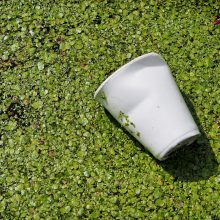
The purpose of the project is to develop an integrated biological system to purify wastewater originated by anaerobic digestion of OFSMW, based on duckweed ability to tolerate high nitrogen and phosphorous concentration.
The project is proposing to develop a sustainable and completely natural system capable of achieving two objectives at the same time:
– a biological wastewater treatment;
– the transformation of some pollutants in raw materials (starch and fatty acids) that can be used in food and biochemical industries , replacing products obtained from agriculture or hydrocarbons.
In addition we would like to make a contribution to the understanding of microbiome degrading in the rhizosphere of aquatic plants used in the system, highlighting its effects on urban organic waste purification and more broadly on microbial water safety.

The MITICAL project aims to deepen knowlege on industrial hemp culture, focusing on the final use of two main products: seeds and flowers. The project will be based on the following activities:
The project will be hold with the collaboration of agrofarms belonging to the two lombard agriculture districts and the results obtained on seeds will be viable for feed and food industries whereas those on flowers for pharma and cosmetic sector.

The most critical challenges currently faced by our society include pollution, land use and climate change, and their impacts on biodiversity and ecosystem integrity, which urgently require quantitative knowledge to be translated into actionable strategies. Given the complexity of these challenges, a multidisciplinary Earth System approach is essential, combining field and laboratory measurements, experimental analyses, data management and modeling tools across interconnected environmental domains. In this framework, ITINERIS was established as a thematic network bringing together 22 environmental Research Infrastructures to build an integrated national system for the observation and study of atmospheric, marine, terrestrial biosphere and geosphere processes.
Within WP6 – Terrestrial Biosphere, CNR-IBBA contributes to the development of harmonized and distributed platforms for metagenomic analyses, biomolecule production, and structural and functional characterization.
By promoting interoperability and data standardization in line with the IBISBA-EU roadmap, ITINERIS supports a long-term, innovative vision of Italian and European environmental research.

The project aims to develop a lighthouse farm network to apply new technologies useful to save soil, water, carbon emission and to elucidate mechanisms underpinning the relationship between agrobiodiversity and ecosystem services key to crop production. In Sardinia, in a traditional olive-growing system without irrigation, resilient agricultural practices were tested, including innovative cover crops for the development and exploitation of ecosystem services by saving water, immobilizing carbon, and increasing plant and microbial biodiversity.
Continuous acquisition of data on soil gas exchanges, soil moisture and temperature was achieved by using sensors, along with annual monitoring of chemical, physiological and molecular variables on plants and soil.

The project FARM-INN aims to provide farm-level interventions supporting dairy industry enhancing safety and quality of milk and cheese and providing the necessary scientific evidence and new insight regarding their functional properties. The proposed actions will be carried out assessing and improving animal welfare and the environmental sustainability. In particular, two aspects will be tackled and studied in the proposed project: i) the development and use of new feed supplements adsorbing mycotoxins and reducing pathogenic and spoilage clostridia in milk ii) the characterization of cheese making and functional properties of A1 and A2 variants of beta-casein in milk. The evaluation of environmental sustainability of the adsorbent supplementations to the cow rations and the potential effect of cheese making using A1 and A2 beta-casein types in milk analyses through a Life Cycle Assessment approach will be performed.
The project will offer opportunities to the dairy farmers to strengthen their competitiveness, in the context of a better control of safety and quality issues, and will help dairy industry in placing on the market high-quality products adapted to the new expectations of consumers.

sPATIALS3 is a technological and research hub involving 12 CNR Institutes belonging to 4 different Departments and 4 companies. Main objectives will be: obtainment of innovative food products improved for their nutritional and functional properties; provision and implementation of precision technologies to guarantee products quality, safety and traceability; development of innovative and eco-sustainable smart– and active-packaging to minimize and reuse wastes, where possible, and to increase food preservability; provision to consumers and producers of tools for results exploitation.

The USEFUL project aims to solve some critical issues in the production of Lombardy PDO cheeses (Grana Padano and Taleggio) in order to guarantee the competitiveness of the agro-industry companies. To this end, supply chain strategies and operational tools will be developed that allow to improve the microbiological and cheese-making quality of the milk and to improve all the cheese-making processes. These objectives will be achieved through the integration of the 3 sub-projects: Coordination, Innovation and Technological Transfer.
The expected results are: 1) to identify new procedures to improve animal health, food safety and the microbiological quality and cheese-making properties of milk; 2) to identify innovative procedures and operational tools to be used in the dairy industry to monitor the cheese-making and maturing phases of the cheese; 3) to define guidelines, technical manuals and fact sheets on the various procedures and techniques.


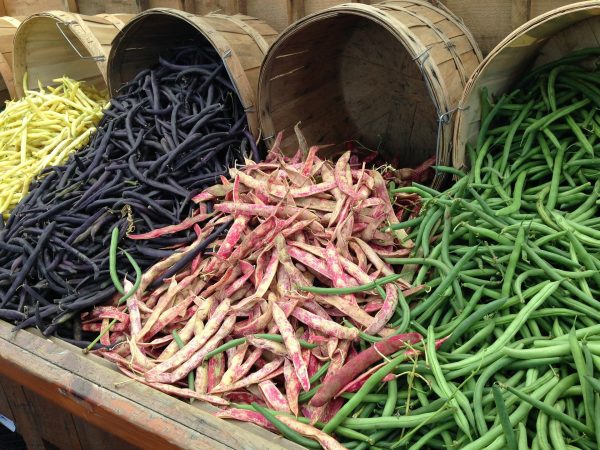
The general objective of the project, coordinated by the University of Milan, is the evaluation of the potential use of new bean lines, with low content of antinutritional factors, and accessions of white lupin and blue lupin of particular interest as innovative protein sources in piglet feeding, both in terms of nutritional efficiency and environmental impact. An in vivo trial in piglets at weaning will allow to evaluate the nutritional efficiency of the new feeds, to identify variations of the intestinal microbiota associated to the different diets that will be tested and, finally, to evaluate the effective bioavailability of macro- and micronutrients and the reduction of environmental impact, both in terms of reduced excretion of phosphorus and minerals, and from the microbiological point of view. IBBA-CNR will be responsible for assessing and providing the bean genetic materials and for the activities related to microbiota analysis.

The MAMMAL project aims to improve infant formula by determining the impact of food processing on the generation of specific proteins included in the product which in turn promote a healthy gut microbiome.
MAMMAL will involve development of a platform using Machine Learning algorithms to process data from this research. This will enable us to connect food processing with the generation of different specific modified proteins and determine the effects these have on infants’ gut microbiota. Companies which product infant formula will be able to use this platform to determine the most beneficial proteins to include, helping them to develop formula which promotes a healthy gut microbiome. The platform will also provide guidance on food processing and develop new targeted protein formulations which could be used within infant formula.

Understanding the relationship between diet, metabolites and host/microbiota is one of the key challenges in studying personalized nutrition for the more fragile segments of the population, such as children. In this regard, the incomplete digestive system of the infant fed with milk-based formulas can be affected by modifications of proteins/carbohydrates deriving from the manufacturing processes. Since the gut microbiota is crucial for homeostasis and the development of a functional immune system or the onset of intolerances, its modulation through dietary interventions is one of the most promising approaches.
The MIGHT project innovates the production of artificial milks, demonstrating that minimally modified amino acids could have specific positive outcomes (production of short-chain fatty acids, known for their anti-inflammatory properties) in the presence of some microbial species, even in the case of a reduced digestibility in the small intestine. Furthermore, IT tools (nutrition ontologies) will be developed, and data structuring will be managed through dedicated database resources. The results will be used as an interconnected set of innovative tools with the design of targeted modifications of proteins and amino acids in foods for other fragile segments of the population such as the elderly in order to improve the quality of formula and the health of the gut microbiota.

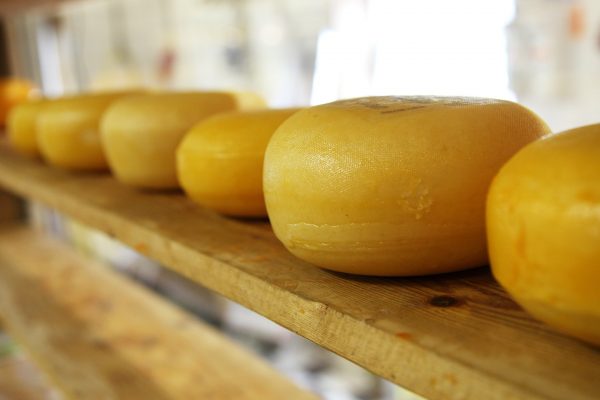
The project aims to provide scientific evidence to support a revision of the production specification for Valtellina Casera DOP cheese to improving product quality. To this end, the entire production chain will be considered, from breeding to cheese ripening, verifying the influence of some production choices on the characteristics of the cheese. Specifically, we will evaluate the influence of: milk of different bovine breeds, use of raw milk in the dairy process, use of native and protective enzymes, curd pressing methods and cheese ripening methods.
The influence of cheese microbiota will be evaluated, through cultural methods and metagenomic analysis, on the (bio)chemical processes that characterize the maturation of the cheese, and on the sensory characteristics. The evidence obtained will provide useful elements for a precise revision of the specification and will also be able to provide elements to support a differentiation of the cheese within the PDO.

Spoke 9 aims to conceive, design, test, and disseminate innovative digital solutions to understand the origin, authenticity, and guarantee the safety of agricultural products, with the aim of enhancing and protecting the unique characteristics of agri-food supply chains. Within Spoke 9, IBBA is involved in Task 9.11 (Chemical, Physical, Biological, Sensory, and Genetic methods and protocols for the measurement of product quality and traceability of food matrices and for soil characterization) and 9.1.5 (Modeling sustainability and quality of farm processes and food using on-farm and lab measurements).
In Task 9.1.1, IBBA aims to validate a genetic profiling method based on intron length polymorphisms of the β-tubulin (TBP) gene family for the authentication of olive and cereal cultivars supplied by partners.
In task 9.1.5, an in vivo study on cattle allows us to evaluate the effect of feed supplemented with natural substances on antibiotic resistance and the quality of milk produced, determining chemical and biofunctional parameters. Thanks to the collaboration with ISTI, the use of visible and hyperspectral imaging, combined with machine learning, is being investigated as a rapid, non-destructive, and cost-effective alternative to traditional laboratory chemical analyses for assessing milk quality.