Research activities focus on the study of foods and their role in the prevention of chronic diseases, particularly metabolic, inflammatory, and oncological conditions, as well as in improving overall well-being. The aim is to understand the mechanisms underlying healthy nutrition capable of supporting immune function, reducing oxidative stress and inflammation, and promoting the proper functioning of the gut–brain axis.
The adopted approach integrates food chemistry and biochemistry, functional genomics, toxicology, metagenomics, and metabolomics, using simulated digestion models, in vitro systems, and in vivo animal models and in vivo animal models (CBS, Research Area of Pisa).
Research is focused on gut and liver health, the microbiota, sustainable nutrition, the valorization of agrifood by-products, the study of innovative dietary patterns, emerging food contaminants (e.g. PFAS and bisphenols), and the development of sustainable packaging solutions.

The BIOPEP project investigates chickpea and fenugreek seeds as valuable sources of bioactive peptides with health benefits. Its main goals include extracting protein fractions using enzymatic hydrolysis and evaluating their biological activities, such as antimicrobial, anti-obesity, anti-diabetic, and potential cytotoxic effects. The most active peptides will be purified, identified, and tested for anticancer properties, with their mechanisms of action examined. This project is a collaboration between Egyptian and Italian teams and aims to explore the potential of these legumes as functional foods for managing metabolic disorders and preventing cancer. BIOPEP also seeks to promote public health and economic growth by encouraging the development of legume-based functional products. The results could lead to innovative, natural strategies for disease prevention and health enhancement.

ACRYRED’s challenge is to establish a multi-disciplinary research and communication network on reducing acrylamide formation, involving the entire value chain from grains to consumer products. If asparagine levels can be reduced through better breeds and farming practices, downstream acrylamide formation in cereal-based products can be reduced significantly.
The urgency to resolve the problem is compounded by the fact that there is no grain of guaranteed low asparagine concentration commercially available to meet requirements for different food categories. Further, the processing industry does not have a reliable tool to measure the level of free asparagine contained in raw material.
ACRYRED brings together plant breeders, the agricultural grain farming community, grain traders, European food processors, toxicologists, public regulators and consumer interest groups to establish research requirements on asparagine formation in plants, as well as investigate new economic models that encompass the full supply chain.

Health and sustainability are increasingly central to the agri-food sector, as governments and consumers seek effective strategies to prevent chronic diseases through healthier lifestyles. In this context, the FEED project promotes the Mediterranean diet by fostering a new generation of functional foods enriched with bioactive compounds.
The project focuses on fresh sprouts from different botanical origins, including traditional, local, and wild edible species, which represent an improved nutritional source compared to seeds due to the germination process, enhancing beneficial bioactive compounds while reducing antinutrients. FEED aims to develop innovative food ingredients and functional foods that meet consumer demand for health benefits while ensuring environmentally friendly production processes. Given the high perishability of fresh sprouts, the project also develops bio-based and biodegradable active packaging solutions to improve food safety and extend shelf life. Through a multidisciplinary approach, FEED combines the rediscovery of culturally relevant plant species with advanced technologies (in vitro and in vivo models), alongside a deep characterization of sprouts’ bioactive, antioxidant, immunomodulatory, and prebiotic properties.
FEED is a 36-month project funded by the European Union under the PRIMA programme, supporting sustainable resource use, economic growth, and stability in the Mediterranean region.

Consistent evidence suggests that mitochondrial dysfunction plays a crucial role in Parkinsons disease (PD) pathogenesis. Inhibition of complex I of the mitochondrial electron transport chain is sufficient to reproduce biochemical and pathological features of Parkinsons Disease in animal models. The Nuclear factor erythroid 2-related factor 2 (Nrf2) is a regulator both of mitochondrial function and biogenesis, and of cellular resistance to oxidative stress, and may represent a novel target of PD disease-modifying therapies. We identified Terazosin and Lisosan G as promising candidates. Terazosin is an anti-hypertensive drug already under investigation in ongoing clinical trials on PD patients. Lisosan G is a fermented Triticum aestivum, that modulates the NRF2 pathway and reduces the translocation of NFkB to the nucleus. The studies will be carried out both at the laboratory level on a mouse model and at the clinical level on patients.

The project aims to evaluate the impact of fermentation processes on the nutritional and functional properties of pasta obtained from fermented flours.
The research activity, developed in collaboration with Palombo Srl, involves characterizing the antioxidant capacity, quantifying total polyphenols and flavonoids, and assessing the modifications induced by simulated gastrointestinal digestion according to the international INFOGEST protocol. A further objective is to analyze the effect of cooking processes on the functional properties of the product by comparing fermented and conventional matrices.
The results will provide useful evidence to understand the role of fermentation in improving the nutritional value of cereals and in developing more functional and sustainable foods.

The project FARM-INN aims to provide farm-level interventions supporting dairy industry enhancing safety and quality of milk and cheese and providing the necessary scientific evidence and new insight regarding their functional properties. The proposed actions will be carried out assessing and improving animal welfare and the environmental sustainability. In particular, two aspects will be tackled and studied in the proposed project: i) the development and use of new feed supplements adsorbing mycotoxins and reducing pathogenic and spoilage clostridia in milk ii) the characterization of cheese making and functional properties of A1 and A2 variants of beta-casein in milk. The evaluation of environmental sustainability of the adsorbent supplementations to the cow rations and the potential effect of cheese making using A1 and A2 beta-casein types in milk analyses through a Life Cycle Assessment approach will be performed.
The project will offer opportunities to the dairy farmers to strengthen their competitiveness, in the context of a better control of safety and quality issues, and will help dairy industry in placing on the market high-quality products adapted to the new expectations of consumers.

sPATIALS3 is a technological and research hub involving 12 CNR Institutes belonging to 4 different Departments and 4 companies. Main objectives will be: obtainment of innovative food products improved for their nutritional and functional properties; provision and implementation of precision technologies to guarantee products quality, safety and traceability; development of innovative and eco-sustainable smart– and active-packaging to minimize and reuse wastes, where possible, and to increase food preservability; provision to consumers and producers of tools for results exploitation.

In the cellular fractions (cytosol and microsomes) of the human lung, the carboxyesterase enzymes 1 and 2 (CES1 and CES2) were studied using p-nitrophenylacetate (substrate for CES1> CES2), 4-methylumbelliferylacetate (substrate with prevalence for CES2) ) and fluorescein diacetate (substrate for CES2). In addition to catalytic activity, gene expression has been studied. Furthermore, arylacetamide deethylase was studied in terms of transcript, protein and enzymatic activity evaluated as hydrolysis activity of phenacetin. All the enzymes studied show a variability between individuals. The results obtained by us add important information on lung enzymes and it could be interesting to study their modulation by substances of plant. The study will continue on other drug metabolism enzymes and their modulation.


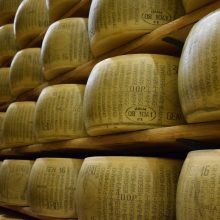
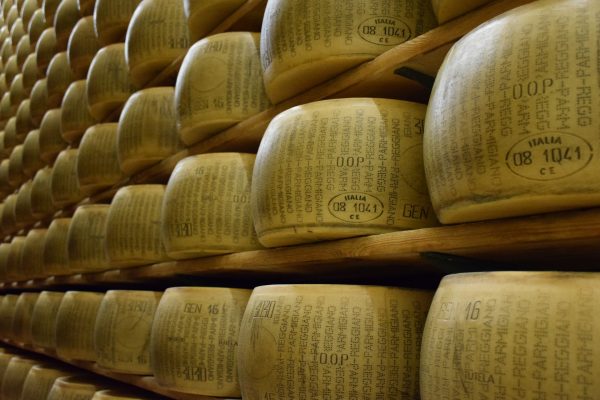
The USEFUL project aims to solve some critical issues in the production of Lombardy PDO cheeses (Grana Padano and Taleggio) in order to guarantee the competitiveness of the agro-industry companies. To this end, supply chain strategies and operational tools will be developed that allow to improve the microbiological and cheese-making quality of the milk and to improve all the cheese-making processes. These objectives will be achieved through the integration of the 3 sub-projects: Coordination, Innovation and Technological Transfer.
The expected results are: 1) to identify new procedures to improve animal health, food safety and the microbiological quality and cheese-making properties of milk; 2) to identify innovative procedures and operational tools to be used in the dairy industry to monitor the cheese-making and maturing phases of the cheese; 3) to define guidelines, technical manuals and fact sheets on the various procedures and techniques.


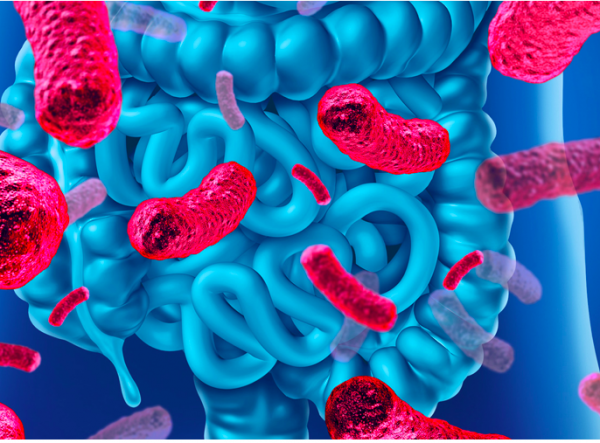
Studies suggest that the intestinal microbiome modulates the risk of several chronic diseases, including type 2 diabetes, allergy, cardiovascular disease, and colorectal cancer (CRC). Dietary factors are related to chronic disease risk, and they have been suggested to modulate the composition and function of the gut microbiome. However, detailed knowledge on the relationship of diet, the microbiome, and chronic disease risk is still limited. The overarching aim of the knowledge platform is to foster studies on the microbiome, nutrition and health by assembling available information in the field of microbiome research in food, nutrition and health in a comprehensive way, which also includes other disciplines (e.g. food science, metabolomics) that are relevant in the context of microbiome research. The goal is to make this information findable, accessible, interoperable and reusable (FAIR) to the scientific community and to link and provide in-depth information to various stakeholders. Through these efforts a network of transnational and multidisciplinary collaboration will emerge, that will further develop and increase the impact of microbiome research in human health. Urgent areas of research in this KP were identified to be the roles of microbiome in early infancy, during ageing and in subclinical and clinically manifest disease.


A new platform for the genetic identification and quantification of the single plant species, declared or not, present in animal feed, particularly livestock, had been developed and validated at European level.


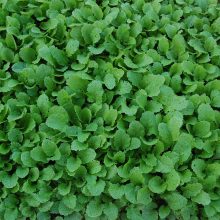
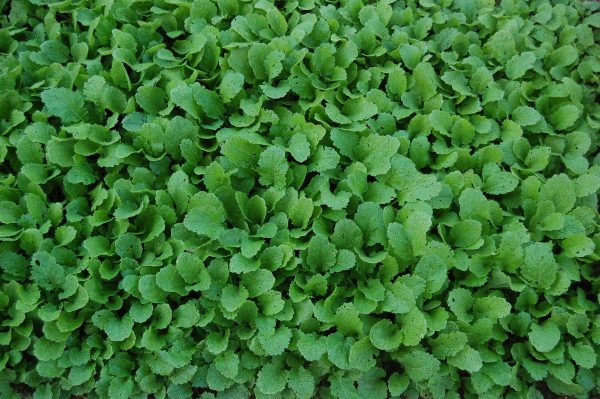
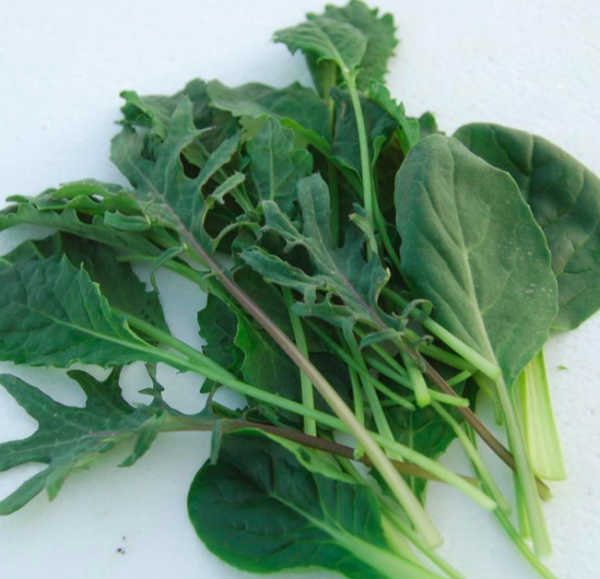
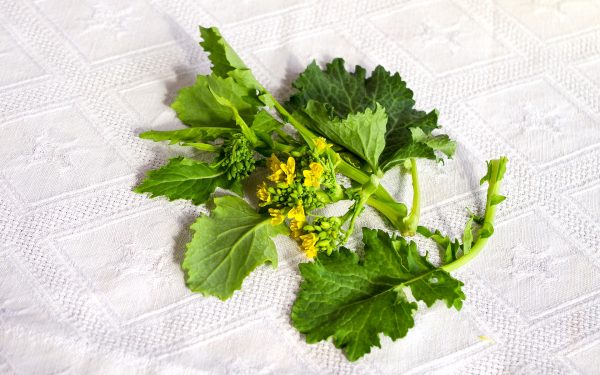
The project aimed to analyze the content of glucosinolates, polyphenols, flovonoids, fibers and antioxidant capacity in new hybrid varieties of turnip greens (Brassica rapa subsp. Sylvestris) obtained after crossing at the Enza Zaden company, Tarquinia, VT, Italy. In particular, the considered bioactive compounds were analyzed by spectrophotometric and fluorimetric analyzes on extracts from different parts of the adult plants (leaves, stems and inflorescences). The analyzes were also carried out on the packaged product, ready for consumption, at different storage times in order to evaluate the possible better performance of the new varieties in terms of shelf life.


The importance of the bioactive compounds and above all of the antioxidants contained in the food is to be associated both with the ability to preserve the shelf-life of the food, delaying the oxidation of the polyunsaturated fatty acids, and to have beneficial effects against the chronic-degenerative diseases induced by the oxidative stress and aging. The bioactive molecules present in both food and plant extracts can also have a very important role in cosmetics. Antioxidant mixes are frequently used in anti-aging creams and also in after sun creams in order to increase the skin’s ability to defend itself. The project has as its objective the identification and characterization of food extracts and/or plants and their biological evaluation. The products will be analyzed for their total antioxidant power through the ORAC (Oxygen Radical Absorbance Capacity) method, and for the quantification of some compounds (vitamins, polyphenols, flavonoids and flavonols). In addition, the protective effect in the prevention of metabolic diseases on a mouse model with dysmetabolism (hepatic steatosis, hyperglycaemia and hyperlipidaemia) induced by administering a diet with a high lipid content will be evaluated for the products that will show the best results.

The purpose of this study was to evaluate the profile of phenolic compounds, the antioxidant capacity, the antimicrobial activity and the effect on growth of Lactobacillus brevis of 8 whole flours obtained from ancient and modern varieties of wheat, belonging to different species of Triticum (Triticum monococcum L ssp. monococcum, Triticum turgidum L. ssp dicoccum, Triticum turgidum ssp. turanicum, Triticum aestivum L.). The phenolic profile was studied through HPLC-DAD-UV/Vis-FD. The antioxidant capacity was measured by the DPPH and ORAC assay. The antioxidant activity and the effect on growth of L. brevis were measured with the micro-dilution method. Five polyphenols were identified and quantified (resorcinol, tyrosol, caffeic acid, syringic acid and ferulic acid) and all the samples showed an important antioxidant capacity and moderate antimicrobial activity. All specimens revealed a stimulating effect on the growth of L. brevis. The analysis of the main components (PCA) has shown a greater positive correlation between ancient grains and the total content of polyphenols, antioxidant capacity and antimicrobial activity, compared to modern grains. These results confirmed that whole grains can be considered foods with beneficial health effects.

The project is part of the PSR 2014/2020 of Tuscany Region has the general objective of developing, validating and enhancing a new generation of agri-food products and extracts, starting with those already entered by ARSIA in the Register of “Traditional Products of the Tuscany Region”, contextualising them to the specific needs of the Amiata territory. Specifically, the project focuses on Agresto, an ancient condiment obtained by cooking unripe grapes with spices and aromas, which at present has an extremely restricted production both in terms of variety and quantity, preventing sustainable development. The goal is to overcome obstacles to a wider production and marketing thanks to the definition and coding of recipes for the production of Agresto with relevant organoleptic, nutraceutical and health-giving characteristics to expand the reference market segments; to the contextualization of the Agresto product in the Amiata area, through the selection and use of local vines and medicinal herbs; to the industrialization and standardization of the entire production process, from the harvest of the grapes to the realization of the product, aimed at quality control, the repeatability of the characteristics of the finished product and the increase in productivity; to the economic enhancement of production residues, as well as the development of new applications of the finished product, for cosmetic purposes.

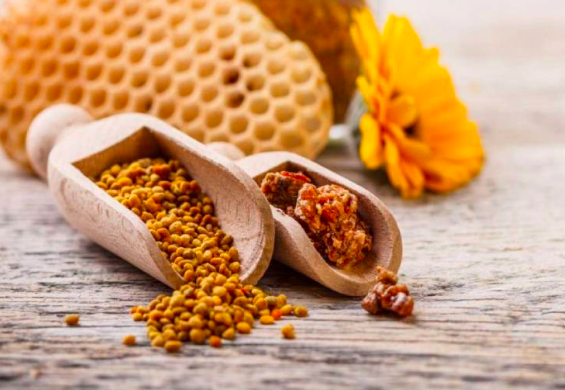
The project is part of a bilateral CNR/ASRT agreement and aims to discover the bioactive components of Egyptian propolis, extract them, study their chemical properties and transfer them into microcapsules that could be integrated into some functional foods to improve their quality and shelf life. During the project, a characterization of the main bioactive molecules will be carried out and the antioxidant and antibacterial properties of the samples of Egyptian propolis as such, of the extracts obtained by different extraction techniques (water, solvents and CO2 at different temperatures) and of the microcapsules produced at starting from the extracts. The project offers the opportunity to produce new functional materials using food plant by-products. The microencapsulation of bioactive nano compounds, which can be introduced into food, leads to the potential future development of new functional foods.

The project aims to analyze, on pasta samples obtained with different formulations, the concentration of bioactive molecules such as polyphenols and flavonoids, and the in vitro antioxidant power by ORAC and DPPH tests. In vitro assays are performed on 5 different pasta formulations designed and produced by the Antico Pastificio Morelli and the analyzes are repeated after cooking to evaluate the residual antioxidant power.

The aim of this project was to evaluate parameters related to oxidation and lipid metabolism in patients with Behcet’s syndrome, in order to reduce inflammation and oxidative stress with dietary intervention. Due to a delay in recruitment related to the request for the study authorization to the Ethics Committee, the analyzes are still being processed.

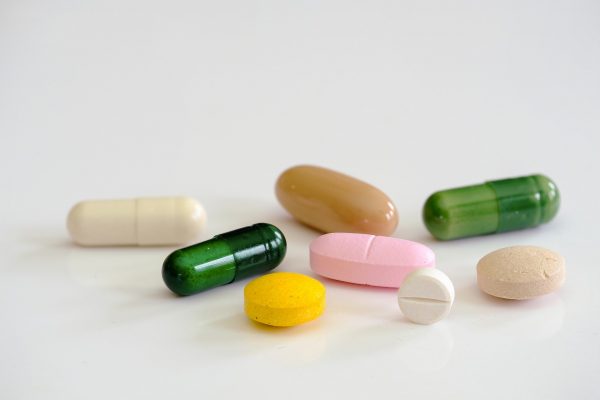
The aim of the project was to evaluate the main bioactive components in four quercetin-based supplements and to determine their antioxidant activity in vitro and ex vivo, on human erythrocytes. The analyzed supplements, Nevrase Plus, Endotel, Lucyvet and Quercetene Forte, were evaluated both for measuring the bioactive content and for testing their activity on an ex vivo cell system of human erythrocytes exposed to oxidative stress. For all the supplements, the results obtained so far have shown a dose-dependent activity and a significant ability to counteract the oxidative damage induced by a radical generator. Furthermore, the erythrocytes pre-treated with Endotel showed, at low doses, values of cellular antioxidant activity significantly higher than the other supplements.

The aim of the project was to evaluate the nutraceutical properties of a new brassicacea, called Kavolì, produced by the Freschissimi consortium through in vitro, ex vivo and in vivo The freeze-dried Kavolì showed a good content of phytochemicals and antioxidant activity in vitro and ex vivo. Indeed, appreciable amounts of glucosinolates and an excellent phenolic content, characterized by high levels of chlorogenic acid, were found in the aqueous extract; a good antioxidant and antihemolytic activity was observed on human erythrocytes exposed to oxidative insult.
Furthermore, the protective action against hepatic steatosis was evident in rats fed a hyperlipidic diet associated with a streptozotocin injection. The rats treated with the aqueous Kavolì extract showed a lower hepatic lipid content than the control, the group of hyperlipidemic rats.

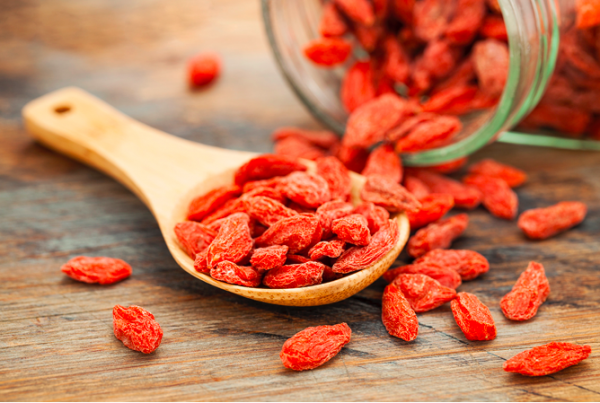
The aim of the project is to evaluate the total antioxidant power, through the ORAC ( Oxygen Radical Absorbance capacity) method, and the polyphenol content on some samples of sauces and cured meat. Some samples had been prepared with the addiction of Goji puree. The results show an increase in antioxidants with the presence of Goji puree. Considering that the antioxidants contained in the diet can improve our state of health, through the reduction of oxidative stress and inflammation, it can be concluded that the addition of Goji puree leads to foods products with a higher nutraceutical and health value.

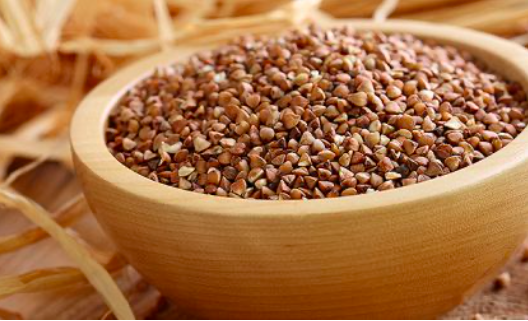
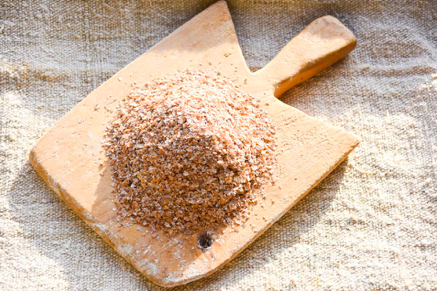
The analysis of total antioxidants, polyphenols and total flavonoids was carried out, in the first phase of the project, on buckwheat germ samples before and after fermentation. The values found in the fermented product have significantly increased by approximately 50% for the total antioxidant values, by 44% for the polyphenols and by approximately 60% for the total flavonoids. The fermentation process used, without adding chemicals, aims to enhance the nutritional components of the cereal, enhancing the nutraceutical part. In addition, the fermentation and lysing process leads to an increase in bioavailability and accessibility of the bioactive compounds.

The project includes analysis of the content of compounds with bioactive properties such as glucosinolates, phenols, flavonols, flavonoids and measurement of the total antioxidant capacity measured through the ORAC and DPPH assays, on different tissues (flowers, stems and leaves) of turnip greens packed in IV range. A comparison was made between two cultivars, called control and hybrid. Regardless of the cultivar, the leaves showed a greater content of antioxidant compounds and a greater total antioxidant capacity, followed by flower and stem. Significant differences concern the glucosinolate content, higher only in the leaves in the control cultivar.

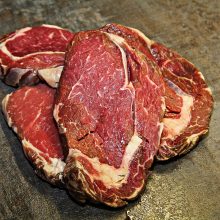
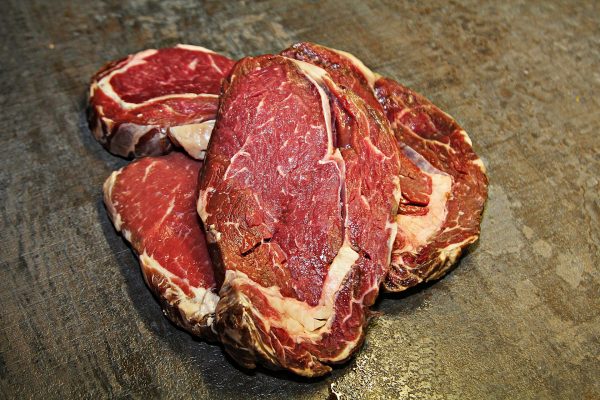
The purpose of this project was to compare, through various experimental methods, the quality of Piedmontese Granda beef coming from animals whose diet is free of natural and artificial supplements. In addition, all products used in food are of lower chemical impact. The results were compared with those of the same meat but from a common Piedmontese farm. Granda meat, both fresh and preserved under vacuum, was found to have greater oxidative stability and a lower concentration of contaminants. The oxidative stability is due to the fact that an excellent antioxidant system is found in meat both in terms of antioxidant enzymes and antioxidant molecules such as glutathione. A meat that oxidizes less preserves its nutritional properties better and is more functional in terms of health.


The aim of the project is to evaluate the impact of new functional foods and bioactive compounds on human health, with particular interest in the prevention of the main neurodegenerative and metabolic diseases linked to population aging. Thanks to the integrated approach of different scientific skills it was possible:
1. to select the bioactive compounds present in the different food matrices (including the by-products of the agri-food industry);
2. to identify the richer fractions in the greatest interest products to obtain bio-fortified, functional and pre-pro-post-biotic foods;
3. to study their protective effects through in vitro studies and on animal models;
4. to preserve the biological activities during the processing phases and cooking;
5. to verify their bioavailability and regulation role on the intestinal microbiota.

FunTomP aims to formulate new functional foods based on Mediterranean tomato added with proteins extracted from sugar beet leaves, a waste product, and olive powder. Environmentally friendly processing technologies will be applied; they will have a minimal impact on nutrients evaluated in terms of effects on microbial load and nutritional quality than conventional methods. Green technologies such as supercritical fluid extraction, ultrasound techniques and high voltage electrical discharges will be used for the extraction of bioactive compounds from tomato and beet waste. Advanced techniques, including nuclear magnetic resonance, will be employed for the quality control of the developed products. Thanks to an in vitro and in vivo study it will be verify the health effect of the products obtained, paying particular attention to the antioxidant, anti-inflammatory and antitumor outcomes. FunTomP will make it possible to produce juices, sauces, bars and powder blends with potential health benefits. By involving consumer policy makers, the agricultural industry, producers, consumers and nutritionists in the discussion of the project results, it will be possible to obtain adherence to the Mediterranean Diet and a correct lifestyle at a European level.

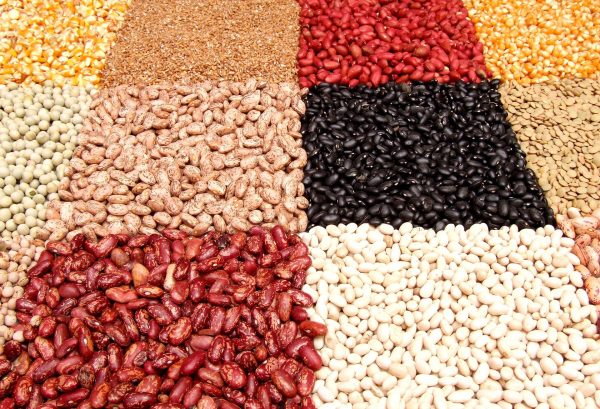
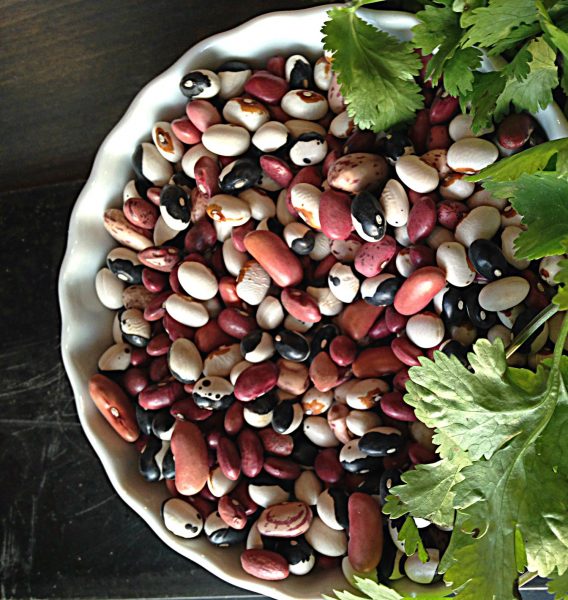
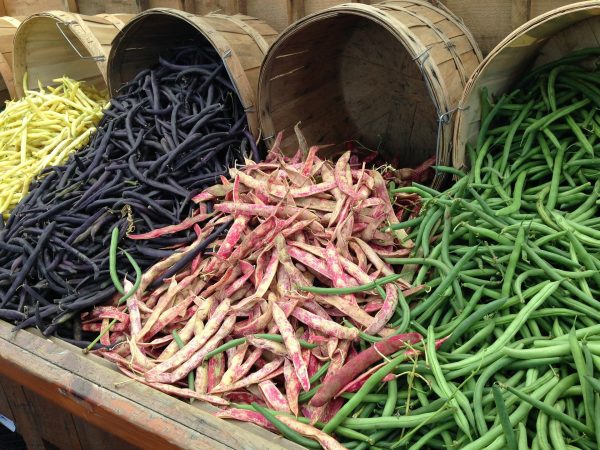
Common bean is a staple food in many regions in the world. Bean seeds are a major source of dietary fibers, essential amino acid-rich proteins, some vitamins and often display a high content in essential minerals (Fe, Zn, Ca). However, these minerals are scarcely bioavailable, mainly due to the presence of phytic acid. Besides, about 60% of common beans produced worldwide are grown in regions subjected to water stress. The BIO-BELIEF project (ERA-NET FOSC call) aims to select new biofortified and drought resilient bean lines, in order to promote a healthy diet in a general frame of food security. The biofortification traits (incresed seed Fe and decreased phytic acid concentration) will be introgressed in the drought resilient genetic backgrounds. The innovative technology of genome editing will be applied to explore candidate genes involved in drought resilience. The biofortified lines will be exploited by preparing bean-based recipes. The BIO-BELIEF project involves: CNR-IBBA, CREA-GB and the Blumen Group company, Italy; Aix-Marseille University, France; CIAT, Kenya; University of Pretoria, South Africa; EMBRAPA, Brazil.

The human paraoxonase family includes three enzymes (PON1, PON2, and PON3) Ca2+ -dependent with lactonase activity capable of hydrolyzing and inactivating the quorum-sensing microbial factors (N-acyl-homoserine-lactones) of Pseudomonas aeruginosa. All three enzymes modulate and are differently regulated under oxidative stress and inflammation conditions. Furthermore, paraoxonases are modulated by diet and lifestyle.
This project aims to characterize the expression levels, enzymatic activity, and modulation of paraoxonases (PON1, PON2, and PON3) in human lung tissues and the A549 cell line. A better understanding of lung metabolic activity is useful for studying toxicity induced by xenobiotics, allergens, and/or inhaled or dietary food compounds. At the same time, the expression and modulation (induction and inhibition) of genes involved in drug metabolism in A549 cells, both at the basal condition and after exposure to inflammatory insult, underlying many chronic lung diseases, will be evaluated.

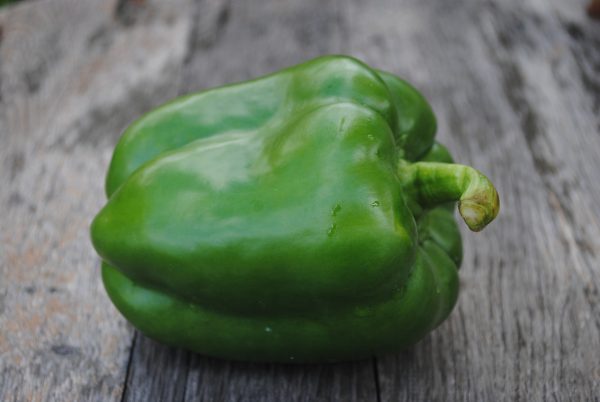
The RECUPEVO project aims to contribute to the recovery of an ancient variety of sweet pepper typical of the Lombardy region of Italy, the “Peperone di Voghera“. The activities are aimed at stabilizing and standardizing the valuable qualitative attributes of this variety, enhancing its agronomic and organoleptic characteristics, as well as helping its registration in the Conservation Variety Register or Biodiversity Registry, to protect the brand and name “Peperone di Voghera”. This will promote its inclusion in the List of Traditional Agri-food Products of the Lombardy Region
A recent problem with this variety has been the appearance of spicy fruits which are indistinguishable from the typically sweet ones. To address this within the RECUPEVO project, IBBA-CNR studies allelic variants in candidate regions for the production of capsaicinoids, the compounds responsible for the level of spiciness of the berry, through amplification of genomic regions of interest from spicy and sweet individuals, and subsequent amplicon sequencing with Illumina technology. Genotypic differences may reveal the cause of the activation of the biosynthetic pathway of capsaicin and allow the development of molecular markers for the selection of non-spicy individuals.

The project is part of a bilateral CNR/ASRT agreement and aims to isolate and characterize peptides or proteins as proteases inhibitors (IPs) from seeds of different leguminous plants and evaluate their biological effects on different cell systems. In recent years, new biological activities of plant IPs have been reported, including antimicrobial, anticoagulant, antioxidant and antitumor effects, suggesting possible applications in medicine, agriculture, and biotechnology. In particular, trypsin inhibitors from different legumes will be purified, characterized, and tested for their cytotoxic activity on different tumor cell lines and their antimicrobial properties on different bacterial strains. The proposals involve an in-depth investigation at the molecular and proteomic levels that may provide useful information for future investment in the use of these proteins, which could have therapeutic applications in both bacterial infections and cancer.

The project is part of a collaboration with the company Blumen within the project ValProfag (funded by POR-FESR Piemonte) whose goal is to facilitate the cultivation of beans and improve their nutritional qualities. In particular, the objective is to obtain bean varieties with higher Fe content, intended both as absolute and bioavailable quantity. IBBA-CNR collaborates in the genetic improvement activities for the phenotyping aspects of the characters of interest (reduction of phytic acid and iron content).

The general objective of the project, coordinated by the University of Milan, is the evaluation of the potential use of new bean lines, with low content of antinutritional factors, and accessions of white lupin and blue lupin of particular interest as innovative protein sources in piglet feeding, both in terms of nutritional efficiency and environmental impact. An in vivo trial in piglets at weaning will allow to evaluate the nutritional efficiency of the new feeds, to identify variations of the intestinal microbiota associated to the different diets that will be tested and, finally, to evaluate the effective bioavailability of macro- and micronutrients and the reduction of environmental impact, both in terms of reduced excretion of phosphorus and minerals, and from the microbiological point of view. IBBA-CNR will be responsible for assessing and providing the bean genetic materials and for the activities related to microbiota analysis.

The MAMMAL project aims to improve infant formula by determining the impact of food processing on the generation of specific proteins included in the product which in turn promote a healthy gut microbiome.
MAMMAL will involve development of a platform using Machine Learning algorithms to process data from this research. This will enable us to connect food processing with the generation of different specific modified proteins and determine the effects these have on infants’ gut microbiota. Companies which product infant formula will be able to use this platform to determine the most beneficial proteins to include, helping them to develop formula which promotes a healthy gut microbiome. The platform will also provide guidance on food processing and develop new targeted protein formulations which could be used within infant formula.

Understanding the relationship between diet, metabolites and host/microbiota is one of the key challenges in studying personalized nutrition for the more fragile segments of the population, such as children. In this regard, the incomplete digestive system of the infant fed with milk-based formulas can be affected by modifications of proteins/carbohydrates deriving from the manufacturing processes. Since the gut microbiota is crucial for homeostasis and the development of a functional immune system or the onset of intolerances, its modulation through dietary interventions is one of the most promising approaches.
The MIGHT project innovates the production of artificial milks, demonstrating that minimally modified amino acids could have specific positive outcomes (production of short-chain fatty acids, known for their anti-inflammatory properties) in the presence of some microbial species, even in the case of a reduced digestibility in the small intestine. Furthermore, IT tools (nutrition ontologies) will be developed, and data structuring will be managed through dedicated database resources. The results will be used as an interconnected set of innovative tools with the design of targeted modifications of proteins and amino acids in foods for other fragile segments of the population such as the elderly in order to improve the quality of formula and the health of the gut microbiota.

The main objective of the project is to develop various industrial-scale prototypes of functional foods using food matrices typical of Italian tradition. This objective will be pursued by characterizing the presence of naturally occurring or added bioactive components in the food and through the prototyping of novel foods relevant to the health sector of the agri-food industry.
The amount of funding received from the European Union for the Institute totals €70,592.67. IBBA’s role will involve evaluating the protective effect of a pasta enriched with artichoke flour (Cynara cardunculus scolymus) in response to steatosis induction. The pasta will be supplied by ISPA-CNR in Bari.
The aim of the experimental activity is to verify the pasta’s protective effects, including antioxidant, hypolipidemic, anti-inflammatory properties, and its impact on drug metabolism enzymes in rats treated with a hyperlipidic diet.

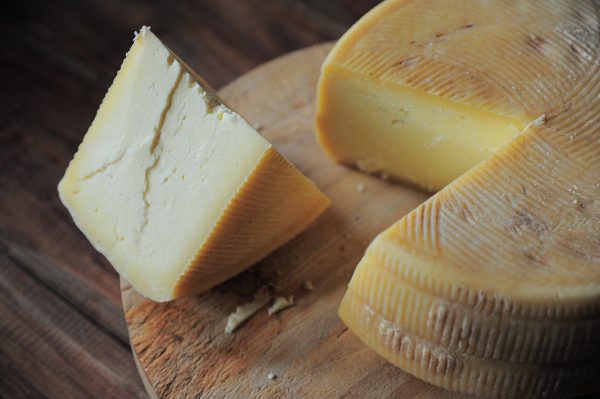
The project aims to provide scientific evidence to support a revision of the production specification for Valtellina Casera DOP cheese to improving product quality. To this end, the entire production chain will be considered, from breeding to cheese ripening, verifying the influence of some production choices on the characteristics of the cheese. Specifically, we will evaluate the influence of: milk of different bovine breeds, use of raw milk in the dairy process, use of native and protective enzymes, curd pressing methods and cheese ripening methods.
The influence of cheese microbiota will be evaluated, through cultural methods and metagenomic analysis, on the (bio)chemical processes that characterize the maturation of the cheese, and on the sensory characteristics. The evidence obtained will provide useful elements for a precise revision of the specification and will also be able to provide elements to support a differentiation of the cheese within the PDO.

The EXTRAFRESCO project aims to extract bioactive molecules, especially polyphenols, from plant by-products and food waste (microalgae, hemp seeds, and bran) to develop functional bio-coatings for perishable food and packaging solutions. These coatings, enhanced with bioactive compounds that have antioxidant and antimicrobial properties, will help extend the shelf life of fresh perishable products and improve food safety. Edible coatings (EDC) will be applied directly to food, while packaging coatings (PKC) will enhance packaging performance. The project focuses on green extraction methods (such as microwave and ultrasound) and sustainable water-based formulations. Coatings will be designed for effective adhesion and application, and their impact on food quality and safety will be assessed. Additionally, EXTRAFRESCO supports circular economy principles, including sustainable end-of-life solutions and a wide dissemination of results.

It is increasingly known that dysregulation of neuronal mitochondrial energy metabolism is implicated in neurodegeneration and the pathogenesis of Parkinson’s disease (PD). Oxidative damage to mitochondrial proteins and organelles can compromise neuronal energy balance and ATP production, resulting in cellular apoptosis. Indeed, some studies demonstrate that dopaminergic (DA) neurons in the substantia nigra (SN) are characterized by high energy demands, making them extremely vulnerable to neurodegeneration. This can trigger damage to mitochondrial energy metabolism in tissues and systems with high energy demands, resulting in a neuroinflammatory process that represents the critical point in disease progression.
This project aims to investigate energy metabolism dysfunction in the pathophysiology of Parkinson’s disease and define a promising intervention (drugs and new alternative compounds based on fermented vegetables and cereals) that, by rescuing the initial pathological processes, can slow or prevent neuroinflammation and/or neurodegeneration.

As part of the ONFOODS Partnership, CNR-IBBA is deeply involved in SPOKE 2, where it conducts research related to the development of innovative technologies for the recovery and valorisation of agri-food waste and the use of biomass obtained for the formulation of new solutions for sustainable, bio-based food packaging.
In particular, in WP2.1 ‘WP2.2: New technologies for food waste recovery’ IBBA coordinates for the CNR in Task 2.1.1 the BIOCOIM-BIOCOnversion of agro-industrial food and waste by Insects and Microalgae project and participates within Task 2.1.3 at the projects NEWPRO-NEW food and non-food PROducts from agrifood wastes and VALUE_PRODUCT-EVALUation of prototypEs from by PRODUCTs/waste. In WP2, IBBA participates in Task 2.2.1 in the projects BIOPACK-New solution for sustainable BIO-based food PACKaging; FUNPACK-Assessment of bio-FUNctional properties of new smart and sustainable PACKaging solutions and PILOT_PACK-PILOT-scale PACKaging solutions; and within Task 2.2.2 in the BIOSAN-BIOchemical technologies for SANitization of fresh food products project.

Spoke 9 aims to conceive, design, test, and disseminate innovative digital solutions to understand the origin, authenticity, and guarantee the safety of agricultural products, with the aim of enhancing and protecting the unique characteristics of agri-food supply chains. Within Spoke 9, IBBA is involved in Task 9.11 (Chemical, Physical, Biological, Sensory, and Genetic methods and protocols for the measurement of product quality and traceability of food matrices and for soil characterization) and 9.1.5 (Modeling sustainability and quality of farm processes and food using on-farm and lab measurements).
In Task 9.1.1, IBBA aims to validate a genetic profiling method based on intron length polymorphisms of the β-tubulin (TBP) gene family for the authentication of olive and cereal cultivars supplied by partners.
In task 9.1.5, an in vivo study on cattle allows us to evaluate the effect of feed supplemented with natural substances on antibiotic resistance and the quality of milk produced, determining chemical and biofunctional parameters. Thanks to the collaboration with ISTI, the use of visible and hyperspectral imaging, combined with machine learning, is being investigated as a rapid, non-destructive, and cost-effective alternative to traditional laboratory chemical analyses for assessing milk quality.

With a multidisciplinary approach, Nutrage aims to promote solutions and strategies for active and healthy aging, which have significant implications for the future, well-being, and social cohesion of the country. Evidence suggests that nutrition plays a key role in promoting the prevention and delaying the onset of major aging-related diseases. Therefore, the project intends to develop new foods with high nutritional value, new dietary regimens, and specific personalized nutrition programs, and to promote new pathways to support the health, well-being, and safety of the most vulnerable populations. The specific objectives of the project are:

The project aims to evaluate the antioxidant power of algal flours before and after fermentation by measuring total polyphenols and in vitro antioxidant activity using DPPH, FRAP, and ORAC, ex vivo analysis on human erythrocytes using CAA-RBC, and evaluation of anti-inflammatory activity and digestibility testing on a subset of samples.
Biosyntex S.r.l. operates in the algal biotechnology sector both as a producer of algal biomass in various forms (dried, frozen, fresh) and in the development of baked goods (sweet and savory) made with varying percentages (1-10%) of its own algal flours. In order to improve the organoleptic and nutritional properties of products based on Chlorella sp. flour (e.g., crackers and biscuits), the company is interested in understanding whether and how lactic fermentations can improve the nutritional and nutraceutical properties of algal flour, in addition to flavor and aroma.

Malnutrition represents one of the major contemporary public health and social challenges, with a significant impact on health, quality of life, and resilience of the most vulnerable population groups. Within this framework, the project is embedded in the activities of Spoke 06 “Tackling Malnutrition” and aims to develop targeted and sustainable nutritional strategies for children with obesity, fragile paediatric subjects, and older adults at risk. The adopted approach is multidimensional, integrating biological, nutritional, environmental, and socioeconomic factors, and highlighting the key role of the gut microbiota in the prevention and management of malnutrition.
In this context, IBBA is strongly involved through the GLUTTON and GUITARIS projects, which focus respectively on improving infant formula composition and on targeting the gut microbiota as a nutritional lever in malnutrition and associated diseases. The activities include the identification of biomarkers, the investigation of mechanisms of action of sustainable bioactive molecules, and the evaluation of innovative and personalised nutritional interventions. The results contribute to the development of sustainable dietary models, functional foods, and evidence-based tools to support food policies, as well as dissemination and awareness-raising activities targeting vulnerable populations