1989: Specialized in Pharmacological and Physiological Sciences.
1983: Degree in Biological Science at University of Pisa
2017-Today: Delegate of MUR in the Joint Programming Initiative “a Healthy Diet for a Healthy Life” (JPI HDHL)
2012-2016: Member at the PhD School of Quality of Food an Human Nutrition at Foggia University
2009-2024: Head of IBBA-Pisa Section
2007-2012: Member of the PhD School of Physiology-Pharmacology-Toxicology Molecular and Cellular of Siena University
1998-2011: Chairman of the Biologists Scientific Association of Tuscany
1992-1994: Visiting-Researcher at the Department of Medical Biochemistry and Biophysics”, Karolinska Institute, Stockholm, Sweden
1990-Today: Researcher and Senior Researcher at IMD-CNR, IFC-CNR and IBBA- CNR
1983-1990: Research contract at the Institute of Mutagenesis and Differentiation (IMD)- CNR

Consistent evidence suggests that mitochondrial dysfunction plays a crucial role in Parkinsons disease (PD) pathogenesis. Inhibition of complex I of the mitochondrial electron transport chain is sufficient to reproduce biochemical and pathological features of Parkinsons Disease in animal models. The Nuclear factor erythroid 2-related factor 2 (Nrf2) is a regulator both of mitochondrial function and biogenesis, and of cellular resistance to oxidative stress, and may represent a novel target of PD disease-modifying therapies. We identified Terazosin and Lisosan G as promising candidates. Terazosin is an anti-hypertensive drug already under investigation in ongoing clinical trials on PD patients. Lisosan G is a fermented Triticum aestivum, that modulates the NRF2 pathway and reduces the translocation of NFkB to the nucleus. The studies will be carried out both at the laboratory level on a mouse model and at the clinical level on patients.

Plant, animal and microbial genetic resources and adaptation to climatic changes
The resilience of agricultural and forest ecosystems under stressful conditions generated by climate change requires the enhancement and exploitation of genetic resources through state-of-the-art conservation strategies, combined with in-depth genome characterization and high-throughput phenotyping.
Activities include large-scale sequencing of accessions/breeds/strains, extensive marker-based genome descriptions, elucidation of the (pan)genome, deep phenotyping, and multi-omics characterization.
The resulting information, processed through advanced methods for the analysis, interpretation, archiving, and management of complex data, will highlight superior alleles/haplotypes, identify beneficial interactions across a variety of conditions, and define conservation units.

In the cellular fractions (cytosol and microsomes) of the human lung, the carboxyesterase enzymes 1 and 2 (CES1 and CES2) were studied using p-nitrophenylacetate (substrate for CES1> CES2), 4-methylumbelliferylacetate (substrate with prevalence for CES2) ) and fluorescein diacetate (substrate for CES2). In addition to catalytic activity, gene expression has been studied. Furthermore, arylacetamide deethylase was studied in terms of transcript, protein and enzymatic activity evaluated as hydrolysis activity of phenacetin. All the enzymes studied show a variability between individuals. The results obtained by us add important information on lung enzymes and it could be interesting to study their modulation by substances of plant. The study will continue on other drug metabolism enzymes and their modulation.

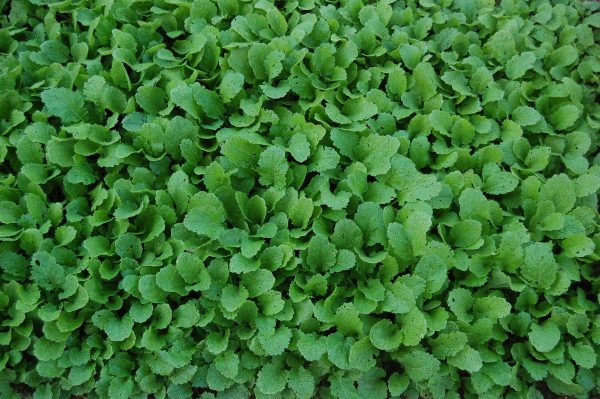
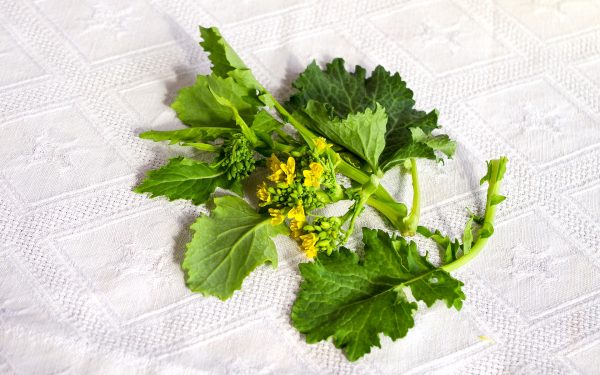
The project aimed to analyze the content of glucosinolates, polyphenols, flovonoids, fibers and antioxidant capacity in new hybrid varieties of turnip greens (Brassica rapa subsp. Sylvestris) obtained after crossing at the Enza Zaden company, Tarquinia, VT, Italy. In particular, the considered bioactive compounds were analyzed by spectrophotometric and fluorimetric analyzes on extracts from different parts of the adult plants (leaves, stems and inflorescences). The analyzes were also carried out on the packaged product, ready for consumption, at different storage times in order to evaluate the possible better performance of the new varieties in terms of shelf life.

The aim of the project is to evaluate the total antioxidant power, through the ORAC ( Oxygen Radical Absorbance capacity) method, and the polyphenol content on some samples of sauces and cured meat. Some samples had been prepared with the addiction of Goji puree. The results show an increase in antioxidants with the presence of Goji puree. Considering that the antioxidants contained in the diet can improve our state of health, through the reduction of oxidative stress and inflammation, it can be concluded that the addition of Goji puree leads to foods products with a higher nutraceutical and health value.

The analysis of total antioxidants, polyphenols and total flavonoids was carried out, in the first phase of the project, on buckwheat germ samples before and after fermentation. The values found in the fermented product have significantly increased by approximately 50% for the total antioxidant values, by 44% for the polyphenols and by approximately 60% for the total flavonoids. The fermentation process used, without adding chemicals, aims to enhance the nutritional components of the cereal, enhancing the nutraceutical part. In addition, the fermentation and lysing process leads to an increase in bioavailability and accessibility of the bioactive compounds.

The project includes analysis of the content of compounds with bioactive properties such as glucosinolates, phenols, flavonols, flavonoids and measurement of the total antioxidant capacity measured through the ORAC and DPPH assays, on different tissues (flowers, stems and leaves) of turnip greens packed in IV range. A comparison was made between two cultivars, called control and hybrid. Regardless of the cultivar, the leaves showed a greater content of antioxidant compounds and a greater total antioxidant capacity, followed by flower and stem. Significant differences concern the glucosinolate content, higher only in the leaves in the control cultivar.

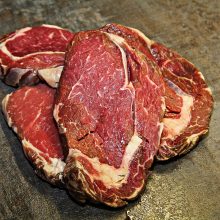
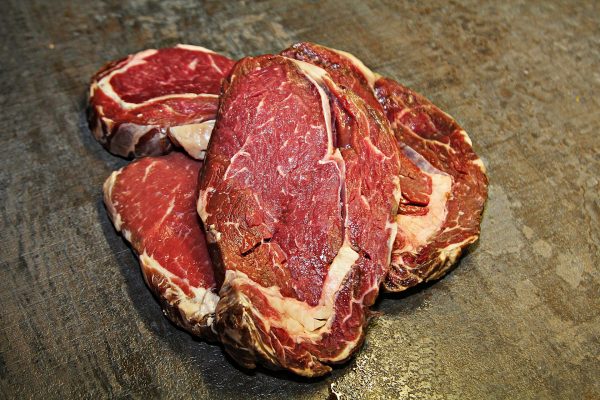
The purpose of this project was to compare, through various experimental methods, the quality of Piedmontese Granda beef coming from animals whose diet is free of natural and artificial supplements. In addition, all products used in food are of lower chemical impact. The results were compared with those of the same meat but from a common Piedmontese farm. Granda meat, both fresh and preserved under vacuum, was found to have greater oxidative stability and a lower concentration of contaminants. The oxidative stability is due to the fact that an excellent antioxidant system is found in meat both in terms of antioxidant enzymes and antioxidant molecules such as glutathione. A meat that oxidizes less preserves its nutritional properties better and is more functional in terms of health.


The human paraoxonase family includes three enzymes (PON1, PON2, and PON3) Ca2+ -dependent with lactonase activity capable of hydrolyzing and inactivating the quorum-sensing microbial factors (N-acyl-homoserine-lactones) of Pseudomonas aeruginosa. All three enzymes modulate and are differently regulated under oxidative stress and inflammation conditions. Furthermore, paraoxonases are modulated by diet and lifestyle.
This project aims to characterize the expression levels, enzymatic activity, and modulation of paraoxonases (PON1, PON2, and PON3) in human lung tissues and the A549 cell line. A better understanding of lung metabolic activity is useful for studying toxicity induced by xenobiotics, allergens, and/or inhaled or dietary food compounds. At the same time, the expression and modulation (induction and inhibition) of genes involved in drug metabolism in A549 cells, both at the basal condition and after exposure to inflammatory insult, underlying many chronic lung diseases, will be evaluated.

The main objective of the project is to develop various industrial-scale prototypes of functional foods using food matrices typical of Italian tradition. This objective will be pursued by characterizing the presence of naturally occurring or added bioactive components in the food and through the prototyping of novel foods relevant to the health sector of the agri-food industry.
The amount of funding received from the European Union for the Institute totals €70,592.67. IBBA’s role will involve evaluating the protective effect of a pasta enriched with artichoke flour (Cynara cardunculus scolymus) in response to steatosis induction. The pasta will be supplied by ISPA-CNR in Bari.
The aim of the experimental activity is to verify the pasta’s protective effects, including antioxidant, hypolipidemic, anti-inflammatory properties, and its impact on drug metabolism enzymes in rats treated with a hyperlipidic diet.

It is increasingly known that dysregulation of neuronal mitochondrial energy metabolism is implicated in neurodegeneration and the pathogenesis of Parkinson’s disease (PD). Oxidative damage to mitochondrial proteins and organelles can compromise neuronal energy balance and ATP production, resulting in cellular apoptosis. Indeed, some studies demonstrate that dopaminergic (DA) neurons in the substantia nigra (SN) are characterized by high energy demands, making them extremely vulnerable to neurodegeneration. This can trigger damage to mitochondrial energy metabolism in tissues and systems with high energy demands, resulting in a neuroinflammatory process that represents the critical point in disease progression.
This project aims to investigate energy metabolism dysfunction in the pathophysiology of Parkinson’s disease and define a promising intervention (drugs and new alternative compounds based on fermented vegetables and cereals) that, by rescuing the initial pathological processes, can slow or prevent neuroinflammation and/or neurodegeneration.

With a multidisciplinary approach, Nutrage aims to promote solutions and strategies for active and healthy aging, which have significant implications for the future, well-being, and social cohesion of the country. Evidence suggests that nutrition plays a key role in promoting the prevention and delaying the onset of major aging-related diseases. Therefore, the project intends to develop new foods with high nutritional value, new dietary regimens, and specific personalized nutrition programs, and to promote new pathways to support the health, well-being, and safety of the most vulnerable populations. The specific objectives of the project are: