2005: Doctorate degree in Molecular Biotechnologies
2001: Bachelor degree in Biological Science
2019-Present: Researcher at IBBA-CNR. Involved in plant genetics and genomics, epigenetics, biotic and abiotic stress resistance (Castelli et al. 2018, PloS One)
2016-2019: Field Application Scientist at ThermoFisher Scientific and Illumina for NGS and microarray applications
2012-2016: Post-Doc position at IBBA-CNR. Involved in maize epigenetic projects. In particular, in projects of natural epigenetic variation in maize (Lauria et al., 2014 Genetics).
2007-2012: Researcher at PTP Science Park. Peach genetics and genomics for the identification of quality traits (Verde et al., 2013, Nature Genetics; Pirona et al. 2013, MBC Plant Biology; Pirona et al., 2013, Plant Biology; Eduardo et al., 2013, Tree Genetics & Genomes).

Plant, animal and microbial genetic resources and adaptation to climatic changes
The resilience of agricultural and forest ecosystems under stressful conditions generated by climate change requires the enhancement and exploitation of genetic resources through state-of-the-art conservation strategies, combined with in-depth genome characterization and high-throughput phenotyping.
Activities include large-scale sequencing of accessions/breeds/strains, extensive marker-based genome descriptions, elucidation of the (pan)genome, deep phenotyping, and multi-omics characterization.
The resulting information, processed through advanced methods for the analysis, interpretation, archiving, and management of complex data, will highlight superior alleles/haplotypes, identify beneficial interactions across a variety of conditions, and define conservation units.

Italy and Mediterranean countries import large amounts of wheat using N-based fertilizers whose artificial production accounts for 70% of greenhouse gas emissions, the main cause of global warming.
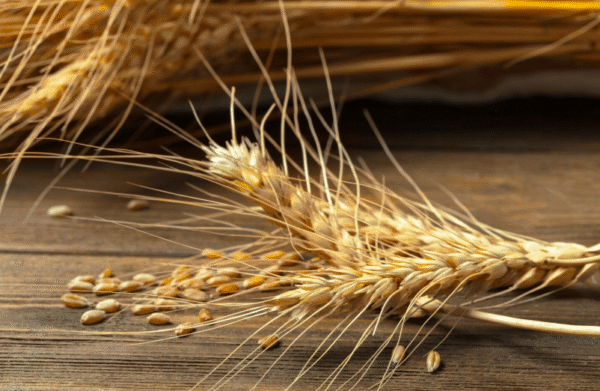
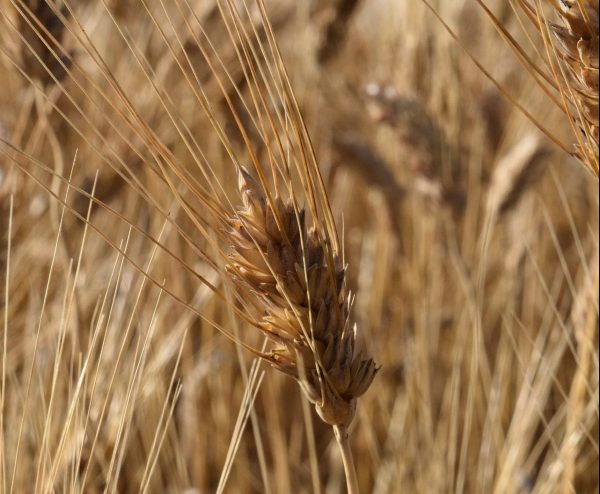
The PanWheatGrain project adopted a systemic approach to decipher the genetic and functional landscape underpinning grain size and nutritional quality toward a more effective exploitation of native genetic variability in tetraploid wheat (Triticum turgidum spp.). The project aimed to sequence the genomes of 10 of accessions that capture a large variation of tetraploid wheat for gain size and quality. These cultivars have been investigated for: nitrogen use efficiency, grain protein and starch accumulation, grain protein deviation, and yield. Genomic, transcriptomic and metabolomic analyses allowed us to decipher the biosynthetic/metabolic pathways and the gene regulatory networks relevant for grain protein and starch content, grain protein deviation, grain size under optimal and sub-optimal nitrogen levels. Gene editing was also used to generate new allelic variants at key regulatory effector targets.

The NEWRoot project aims to generate genetic and functional information in durum wheat (Triticum turgidum ssp. durum) on aspects of root system architecture and nutrient perception/uptake. This will be achieved through the development of more resilient plants, adapted to the pressing challenges posed by climate change, and more efficient in nitrogen use, whose production accounts for 70% of greenhouse gas emissions. The project has three main objectives:

The project SURF aims to select and develop genetic materials of durum wheat (Triticum durum Desf.) for the resistance to viruses, through the use of new experimental approaches and innovative scientific technologies. The first objective of the project is the identification of durum wheat genotypes resistant to the soil-borne cereal mosaic virus (SBCMV) and the identification of resistance loci, using an approach of Genome Wide Association Study (GWAS). A panel of durum wheat genotypes already genotyped will be used. A further objective of the project is the development of durum wheat lines carrying an inactive form of a susceptibility gene for Bymovirus, through genome editing approaches. In particular, in barley the variant of a gene coding for a protein-disulfide-isomerase (PDIL5-1) causes an innate resistance to different strains of Bymovirus. The durum wheat ortholog gene of this PDIL5-1 will be used for genome editing. The resistance traits that will be identified in the project will be then available for durum wheat breeding programs.

sPATIALS3 is a technological and research hub involving 12 CNR Institutes belonging to 4 different Departments and 4 companies. Main objectives will be: obtainment of innovative food products improved for their nutritional and functional properties; provision and implementation of precision technologies to guarantee products quality, safety and traceability; development of innovative and eco-sustainable smart– and active-packaging to minimize and reuse wastes, where possible, and to increase food preservability; provision to consumers and producers of tools for results exploitation.

With a multidisciplinary approach, Nutrage aims to promote solutions and strategies for active and healthy aging, which have significant implications for the future, well-being, and social cohesion of the country. Evidence suggests that nutrition plays a key role in promoting the prevention and delaying the onset of major aging-related diseases. Therefore, the project intends to develop new foods with high nutritional value, new dietary regimens, and specific personalized nutrition programs, and to promote new pathways to support the health, well-being, and safety of the most vulnerable populations. The specific objectives of the project are: