2011: PhD in Genetics and Biomolecular Sciences at the University of Milan (Italy), Department of Biomolecular Sciences and Biotecnology
1999: Specialization in Applied Genetics (PhD equivalent) at the University of Milan, Department of Genetics and Microbiology, Italy. Final grade: 70/70 cum laude
1996: Degree in Biological Science at the University of Milan, Department of Genetics and Microbiology, Italy. Final grade: 110/110 cum laude
2019-2021: WP Manager of the POR FESR 2014-2020 project of the Lombardy Region sPATIALS3: “Improvement of agri-food production and innovative technologies for a healthier, safer and more sustainable diet”
2015: Co-proponent for beam time allocation (proposal LS-2374) at European Synchrotron Radiation Facility (ESRF, Grenoble) for the project “Iron distribution and Fe chemical form in common bean and maize low phytic acid (lpa) mutants”
2015: Main proponent for beam time allocation (proposal 20145056) at Elettra-Sincrotrone Trieste for the project “Spatial distribution of Fe, Mg, Zn and P in common bean low phytic acid-1 mutant seeds”
2011-Today: Researcher at the Institute of Agricultural Biology and Biotechnology of the CNR
2010-2011: Research grant at the Department of Biosciences of the University of Milan for the European project “ATHENA: AnThocyanin and polyphenol bioactives for Health Enhancement through Nutritional Advancement”
2007-2010: Young researcher contract at the Department of Biosciences of the University of Milan for the FIRB-ERANET project “CISCODE: Conservation and diversity in transcriptional regulation of developmental processes in crop and model plant species”
2006-2007: Research grant at the Department of Biosciences of the University of Milan for the European project “FLORA: Flavonoids and related phenolics for healty living using orally recommended antioxidants”
2003-2006: Young researcher contract at the Department of Biosciences of the University of Milan for the FIRB project “From Arabidopsis to tomato: a scientific network and a technological platform for the functional genomics of plant development”
2003: Training period in the laboratory of Professor Alain Vavasseur at the “Laboratoire des Echanges Membranaires et Signalisation, Département d’Ecophysilogie Végétale et Microbiologie, CEN de Cadarache”, France
2001-2002: Research fellowship at the Department of Biosciences of the University of Milan for the MIPAF project: ECOPOM-Innovative techniques for the identification of molecular markers associated with the typicality of Campania tomatoes
1999 -2001: Research grant at the Department of Biosciences of the University of Milan for the European project “REGIA: Regulatory Gene Initiative in Arabidopsis”
1998: Training period in the laboratories of Professor Jonathan Jones and Professor Cathie Martin, Sainsbury Laboratory, John Innes Center in Norwich, United Kingdom
The BIO-ECO project, coordinated by the Department of Biology, Agriculture and Food Sciences of CNR, involves a multi-disciplinary team of researchers belonging to nine Institutes spread all over the country. IBBA activities cover:

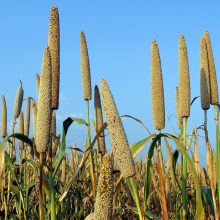
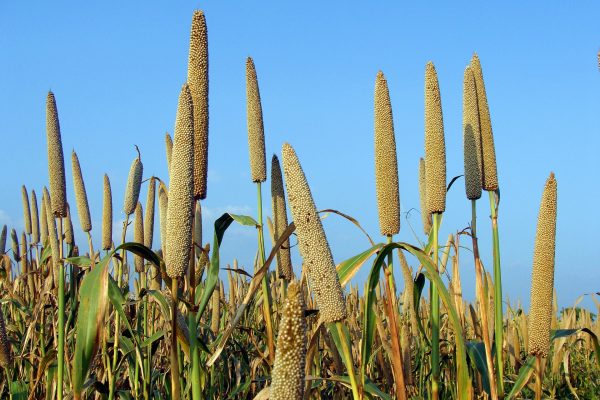
Pearl millet is a major crop contributing to food security for poor farmers in arid and semi arid regions of the world. The project aims at providing tools and knowledge to accelerate the breeding of new pearl millet varieties with increased nutritional qualities as well as better adaptation to environmental stresses. New phenotyping methods will be used to characterize a collection of 100 pearl millet inbred lines for 1) root system development and interaction with the rhizosphere microbiota and 2) nutritionally important seed compounds: phytic acid and C-glucosylflavones (goitrogen). The impact of certain root phenotypes on agronomical performances will also be assessed in field trials. In parallel, thousands of high quality DNA markers will be produced on the inbred lines for phenotype/genotype association purpose using next generation sequencing technologies. Together, these approaches should lead to the identification of QTLs/genes involved in agronomically relevant root and seed quality traits.


Over the centuries, the chestnut tree, cultivated for its fruits and timber, has become an essential element of subsistence for many societies in mountain and sub-mountainous areas, revealing its potential as a multifunctional species. However, today a large part of chestnut forests is in a state of degradation and abandonment, mainly due to the depopulation of rural areas, global climate change and recent outbreaks of exotic pests. With a view to the recovery and enhancement of chestnut genetic resources, the CASTADIVA project mainly aims to:

The project is organized in 3 main activities:
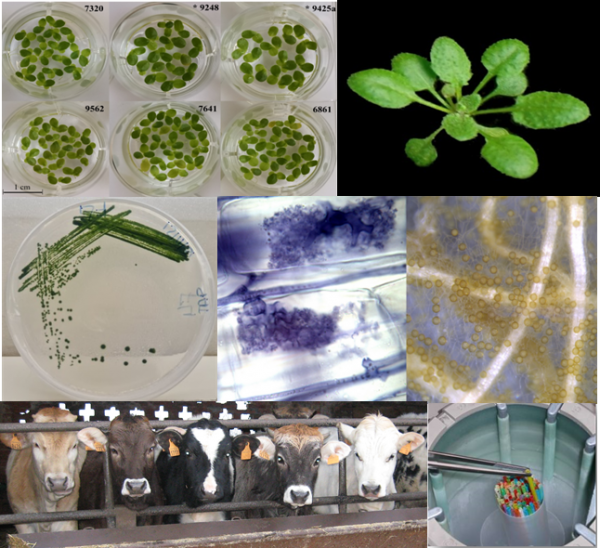
1) Implementation and updating of the BioGenRes network of biobanks, with a focus on nationally/internationally recognized collections of animal, plant or microorganism species samples (animal and plant germplasm banks, microbial strain libraries of pathogenic/toxigenic organisms, nematodes, soil and water microflora and microorganisms used in agro-industry and food (e.g. microbial starters for fermentations)).
2) Replication (rejuvenation) and expansion of material stored in collections. For plant and microbial collections: multiplication of accessions for which a small amount of material is available and rejuvenation of accessions whose seed viability data are below the expected standards (> 85%). For animal collections of zootechnical interest: collection and freezing of genetic material of local breeds to complete sampling carried out in previous projects or expansion of the number of species and breeds stored in cryobanks.
3) Biochemical, molecular, metabolic, functional and phenotypic characterization of the material conserved in the biobanks of the BioGenRes network, also in order to carry out association studies and to identify markers associated with traits linked to production and/or adaptation to biotic and abiotic stress factors.

The CASTANEVAL project aims to address the need for scientific knowledge on chestnut genetic resources in Lombardy, providing tools for the valorization and conservation of native germplasm and undertaking management recovery actions for chestnut groves. The pilot study areas are several chestnut groves in the municipality of Serle (BS) and the Varese Prealps (VA). The CASTANEVAL project also aims to develop a chestnut micropropagation system to provide a practical, sustainable, and cost-effective tool for the conservation and multiplication of native germplasm of high local interest. The project will also study the ecological context and the degree of naturalness of stands, from wild to coppice to cultivated varieties. A comprehensive characterization of chestnut genetic resources in the areas studied will result from the integration of genetic, morphological, ecological, and production data.

Plant, animal and microbial genetic resources and adaptation to climatic changes
The resilience of agricultural and forest ecosystems under stressful conditions generated by climate change requires the enhancement and exploitation of genetic resources through state-of-the-art conservation strategies, combined with in-depth genome characterization and high-throughput phenotyping.
Activities include large-scale sequencing of accessions/breeds/strains, extensive marker-based genome descriptions, elucidation of the (pan)genome, deep phenotyping, and multi-omics characterization.
The resulting information, processed through advanced methods for the analysis, interpretation, archiving, and management of complex data, will highlight superior alleles/haplotypes, identify beneficial interactions across a variety of conditions, and define conservation units.

Aim of the project is the optimization of the use of industrial by-products and wastewaters as growth substrates for plant cell cultures and the optimization of their growth in economically and environmentally sustainable conditions to substantiate the possibility to build a cardoon-based cell biofactory in line with the principles of Circular Economy. Biotechnological approaches, through the RNAi strategy and/or the emerging technique of “genome editing”, on seed/leaf derived calli will be directed to increase monounsaturated fatty acids, while modifying lignin composition for accumulation of different phenolic acids as well as higher digestibility and availability of the cellulose fraction to enzymatic degradation. Furthermore, economic and environmental analysis of the production model of cardoon cells will be performed.

The MITICAL project aims to deepen knowlege on industrial hemp culture, focusing on the final use of two main products: seeds and flowers. The project will be based on the following activities:
The project will be hold with the collaboration of agrofarms belonging to the two lombard agriculture districts and the results obtained on seeds will be viable for feed and food industries whereas those on flowers for pharma and cosmetic sector.

Despite significant improvements in maize (Zea mays L.) yield potential over the past decades, the current climate crisis raises considerable concerns over its yield stability. In the recent past, even the most productive cropping areas worldwide experienced periods of water shortage, with significant yield losses.
The cuticle and stomata play a crucial role among the morphological and physiological traits underlying drought adaptation in plants. The cuticle is a multi-layered hydrophobic structure which covers the aerial parts of plants, limiting water loss from the underlying tissues and protecting plants from dehydration.
Stomata are valves located on the epidermis of leaves, surrounded by a pair of guard cells, which allow gas exchanges between the plant and the atmosphere. The dynamic control of stomatal opening optimizes the intake of CO2 for photosynthesis and the loss of water by transpiration.
The overarching objective of MAGICOAT is to describe the molecular basis of the coordination of cuticle deposition and stomatal development, with the aim of selecting maize genotypes that are more conservative at water use and better adapted to water deficit.

sPATIALS3 is a technological and research hub involving 12 CNR Institutes belonging to 4 different Departments and 4 companies. Main objectives will be: obtainment of innovative food products improved for their nutritional and functional properties; provision and implementation of precision technologies to guarantee products quality, safety and traceability; development of innovative and eco-sustainable smart– and active-packaging to minimize and reuse wastes, where possible, and to increase food preservability; provision to consumers and producers of tools for results exploitation.

The aim of the project is to evaluate the impact of new functional foods and bioactive compounds on human health, with particular interest in the prevention of the main neurodegenerative and metabolic diseases linked to population aging. Thanks to the integrated approach of different scientific skills it was possible:
1. to select the bioactive compounds present in the different food matrices (including the by-products of the agri-food industry);
2. to identify the richer fractions in the greatest interest products to obtain bio-fortified, functional and pre-pro-post-biotic foods;
3. to study their protective effects through in vitro studies and on animal models;
4. to preserve the biological activities during the processing phases and cooking;
5. to verify their bioavailability and regulation role on the intestinal microbiota.

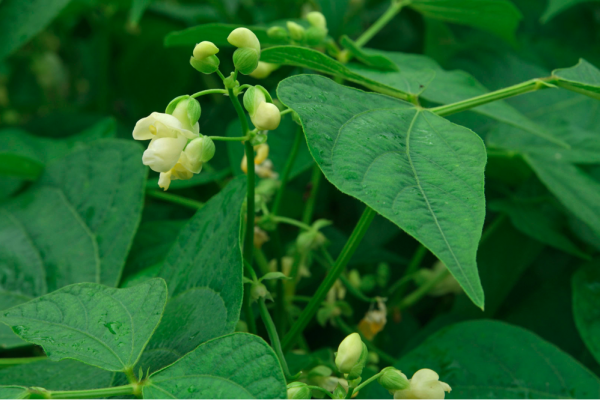
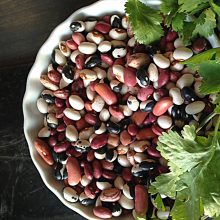
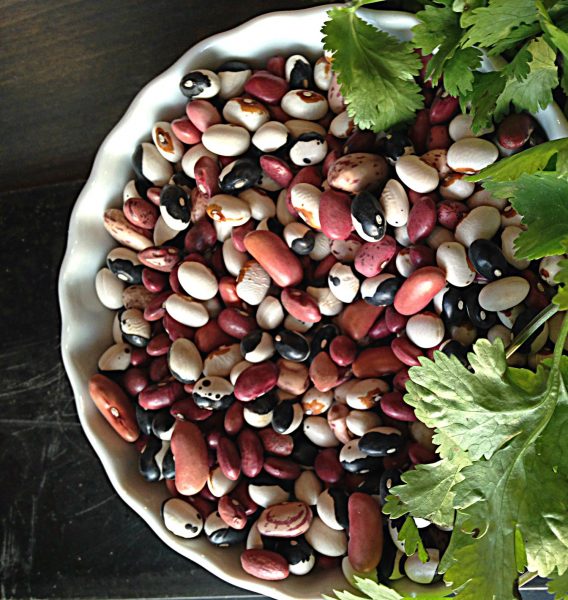
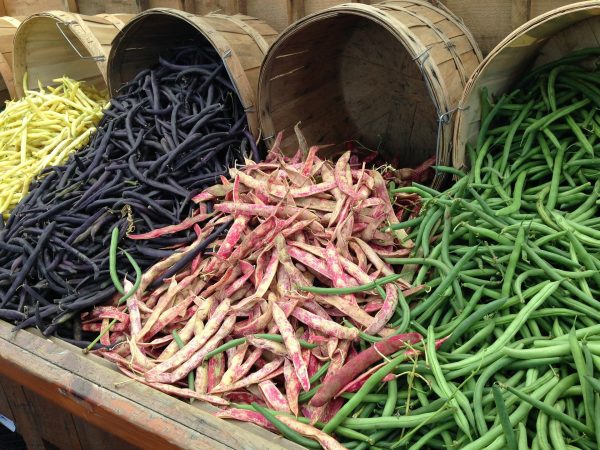
Common bean is a staple food in many regions in the world. Bean seeds are a major source of dietary fibers, essential amino acid-rich proteins, some vitamins and often display a high content in essential minerals (Fe, Zn, Ca). However, these minerals are scarcely bioavailable, mainly due to the presence of phytic acid. Besides, about 60% of common beans produced worldwide are grown in regions subjected to water stress. The BIO-BELIEF project (ERA-NET FOSC call) aims to select new biofortified and drought resilient bean lines, in order to promote a healthy diet in a general frame of food security. The biofortification traits (incresed seed Fe and decreased phytic acid concentration) will be introgressed in the drought resilient genetic backgrounds. The innovative technology of genome editing will be applied to explore candidate genes involved in drought resilience. The biofortified lines will be exploited by preparing bean-based recipes. The BIO-BELIEF project involves: CNR-IBBA, CREA-GB and the Blumen Group company, Italy; Aix-Marseille University, France; CIAT, Kenya; University of Pretoria, South Africa; EMBRAPA, Brazil.

The project is part of a collaboration with the company Blumen within the project ValProfag (funded by POR-FESR Piemonte) whose goal is to facilitate the cultivation of beans and improve their nutritional qualities. In particular, the objective is to obtain bean varieties with higher Fe content, intended both as absolute and bioavailable quantity. IBBA-CNR collaborates in the genetic improvement activities for the phenotyping aspects of the characters of interest (reduction of phytic acid and iron content).

The general objective of the project, coordinated by the University of Milan, is the evaluation of the potential use of new bean lines, with low content of antinutritional factors, and accessions of white lupin and blue lupin of particular interest as innovative protein sources in piglet feeding, both in terms of nutritional efficiency and environmental impact. An in vivo trial in piglets at weaning will allow to evaluate the nutritional efficiency of the new feeds, to identify variations of the intestinal microbiota associated to the different diets that will be tested and, finally, to evaluate the effective bioavailability of macro- and micronutrients and the reduction of environmental impact, both in terms of reduced excretion of phosphorus and minerals, and from the microbiological point of view. IBBA-CNR will be responsible for assessing and providing the bean genetic materials and for the activities related to microbiota analysis.

With a multidisciplinary approach, Nutrage aims to promote solutions and strategies for active and healthy aging, which have significant implications for the future, well-being, and social cohesion of the country. Evidence suggests that nutrition plays a key role in promoting the prevention and delaying the onset of major aging-related diseases. Therefore, the project intends to develop new foods with high nutritional value, new dietary regimens, and specific personalized nutrition programs, and to promote new pathways to support the health, well-being, and safety of the most vulnerable populations. The specific objectives of the project are: