StaffLuisa Pozzo


Informations


E-mail
luisa.pozzo@cnr.it

Phone
+39 0503152702

Office
Pisa

Research area
QUALY


ORCID: 0000-0001-7530-7814
Google Scholar: Profile
Research Gate: Luisa Pozzo
Scopus Author ID: 8302111100
WoS Researcher ID: Q-5489-2018
Linkedin: Luisa Pozzo

Pozzo Luisa

Senior Researcher

Education

2013: 2nd level Master degree “Food Science: quality, safety and human nutrition”, University of Pisa, Italy

2008-2011: PhD in Animal Productions at Department of Animal Productions, Epidemiology and Ecology, Faculty of Veterinary Medicine, University of Turin, Italy

2000-2007: Specialist degree in Veterinary Medicine, Faculty of Veterinary Medicine, University of Turin, Italy

Professional experience

2019-Today: Research Scientist at Institute of Biology and Biotechnology of the National Research Council (CNR), Pisa, Italy

2019-Today: Section Editor for the  Polish Journal of Food and Nutrition Sciences

2018: Host Reseracher at Instituto de Agroquímica y Tecnología de Alimentos IATA CSIC, Valencia, Spagna

2015: Short Term Mobility at Institute of Animal Reproduction and Food Research, Polish Academy of Sciences, Olsztyn, Poland

2015-2019: Temporary Research Scientist at Institute of Biology and Biotechnology of the National Research Council (CNR), Pisa, Italy

2013-2015: Temporary Research Scientist at Institute of Sciences of Food Production of the National Research Council (CNR), Turin, Italy

2011-2013: Temporary Research Scientist at Institute of Biology and Biotechnology of the National Research Council (CNR), Pisa, Italy

2008-2011: PhD grant in Animal Productions at Department of Animal Productions, Epidemiology and Ecology, Faculty of Veterinary Medicine, University of Turin, Italy

2010: PhD Training at Mycotoxicology Unit, École Nationale Vétérinaire de Toulouse, France
Research interests

  • Nutritional studies relating to major and minor components of food
  • Evaluation of antioxidant and lipid-lowering nutraceuticals and their interaction with drug metabolism using in vivotest (mouse and rat)
  • Use of nutraceuticals in animal nutrition: evaluation of antioxidant response and animal products
  • Study of antimicrobial and prebiotic nutraceuticals using in vitro test


Projects in progress

GAIT NRF2 - Clinical efficacy of pharmacological treatments targeting energy metabolism on motor function in Parkinsons disease patients
Start date: 30/04/2023   End date: 29/04/2027

Ministero della salute

Pisa
Vincenzo Longo

Project duration:
30/04/2023 - 29/04/2027
Financing body:
Ministero della salute
Project research leader:
Vincenzo Longo
Headquarters:
Pisa

GAIT NRF2 - Clinical efficacy of pharmacological treatments targeting energy metabolism on motor function in Parkinsons disease patients


Consistent evidence suggests that mitochondrial dysfunction plays a crucial role in Parkinsons disease (PD) pathogenesis. Inhibition of complex I of the mitochondrial electron transport chain is sufficient to reproduce biochemical and pathological features of Parkinsons Disease in animal models. The Nuclear factor erythroid 2-related factor 2 (Nrf2) is a regulator both of mitochondrial function and biogenesis, and of cellular resistance to oxidative stress, and may represent a novel target of PD disease-modifying therapies. We identified Terazosin and Lisosan G as promising candidates. Terazosin is an anti-hypertensive drug already under investigation in ongoing clinical trials on PD patients. Lisosan G is a fermented Triticum aestivum, that modulates the NRF2 pathway and reduces the translocation of NFkB to the nucleus. The studies will be carried out both at the laboratory level on a mouse model and at the clinical level on patients.

Projects completed

PRIN AGRITECH (SPOKE 1) - Plant, animal and microbial genetic resources and adaptation to climatic changes
Start date: 01/09/2022   End date: 30/04/2026

MUR

Milano, Lodi, Pisa, Roma Montelibretti   Website

Alessandra Stella, Emanuele Capra

Project duration:
01/09/2022 - 30/04/2026
Financing body:
MUR
Project research leader:
Alessandra Stella, Emanuele Capra
Headquarters:
Milano, Lodi, Pisa, Roma Montelibretti
Project website:
Website

PRIN AGRITECH (SPOKE 1) - Plant, animal and microbial genetic resources and adaptation to climatic changes


Plant, animal and microbial genetic resources and adaptation to climatic changes

The resilience of agricultural and forest ecosystems under stressful conditions generated by climate change requires the enhancement and exploitation of genetic resources through state-of-the-art conservation strategies, combined with in-depth genome characterization and high-throughput phenotyping.

Activities include large-scale sequencing of accessions/breeds/strains, extensive marker-based genome descriptions, elucidation of the (pan)genome, deep phenotyping, and multi-omics characterization.

The resulting information, processed through advanced methods for the analysis, interpretation, archiving, and management of complex data, will highlight superior alleles/haplotypes, identify beneficial interactions across a variety of conditions, and define conservation units.

sPATIALS3 - Improvement of agrifood productions and innovative technologies for a safer and more secure and sustainable nutrition
Start date: 01/02/2020   End date: 31/10/2022

Regione Lombardia

Milano, Lodi
Francesca Sparvoli

Project duration:
01/02/2020 - 31/10/2022
Financing body:
Regione Lombardia
Project research leader:
Francesca Sparvoli
Headquarters:
Milano, Lodi

sPATIALS3 - Improvement of agrifood productions and innovative technologies for a safer and more secure and sustainable nutrition


sPATIALS3 is a technological and research hub involving 12 CNR Institutes belonging to 4 different Departments and 4 companies. Main objectives will be: obtainment of innovative food products improved for their nutritional and functional properties; provision and implementation of precision technologies to guarantee products quality, safety and traceability; development of innovative and eco-sustainable smart– and active-packaging to minimize and reuse wastes, where possible, and to increase food preservability; provision to consumers and producers of tools for results exploitation.

ALLERGOLINE - Foods and functional cosmetics: characterization of bioactive compounds and their effect on the genome and metabolism
Start date: 08/11/2018   End date: 07/11/2020

Allergoline Biotech & Research Srl

Pisa
Luisa Pozzo, Clara Maria Della Croce

Project duration:
08/11/2018 - 07/11/2020
Financing body:
Allergoline Biotech & Research Srl
Project research leader:
Luisa Pozzo, Clara Maria Della Croce
Headquarters:
Pisa

ALLERGOLINE - Foods and functional cosmetics: characterization of bioactive compounds and their effect on the genome and metabolism


The importance of the bioactive compounds and above all of the antioxidants contained in the food is to be associated both with the ability to preserve the shelf-life of the food, delaying the oxidation of the polyunsaturated fatty acids, and to have beneficial effects against the chronic-degenerative diseases induced by the oxidative stress and aging. The bioactive molecules present in both food and plant extracts can also have a very important role in cosmetics. Antioxidant mixes are frequently used in anti-aging creams and also in after sun creams in order to increase the skin’s ability to defend itself. The project has as its objective the identification and characterization of food extracts and/or plants and their biological evaluation. The products will be analyzed for their total antioxidant power through the ORAC (Oxygen Radical Absorbance Capacity) method, and for the quantification of some compounds (vitamins, polyphenols, flavonoids and flavonols). In addition, the protective effect in the prevention of metabolic diseases on a mouse model with dysmetabolism (hepatic steatosis, hyperglycaemia and hyperlipidaemia) induced by administering a diet with a high lipid content will be evaluated for the products that will show the best results.

BIO VAL BIDENTE - Evaluation of the total antioxidant capacity and antibacterial activity of some wheat extracts
Start date: 16/04/2019   End date: 15/04/2020

Bio Val Bidente Società Cooperativa Agricola

Pisa
Luisa Pozzo

Project duration:
16/04/2019 - 15/04/2020
Financing body:
Bio Val Bidente Società Cooperativa Agricola
Project research leader:
Luisa Pozzo
Headquarters:
Pisa

BIO VAL BIDENTE - Evaluation of the total antioxidant capacity and antibacterial activity of some wheat extracts


The purpose of this study was to evaluate the profile of phenolic compounds, the antioxidant capacity, the antimicrobial activity and the effect on growth of Lactobacillus brevis of 8 whole flours obtained from ancient and modern varieties of wheat, belonging to different species of Triticum (Triticum monococcum L ssp. monococcum, Triticum turgidum L. ssp dicoccum, Triticum turgidum ssp. turanicum, Triticum aestivum L.). The phenolic profile was studied through HPLC-DAD-UV/Vis-FD. The antioxidant capacity was measured by the DPPH and ORAC assay. The antioxidant activity and the effect on growth of L. brevis were measured with the micro-dilution method. Five polyphenols were identified and quantified (resorcinol, tyrosol, caffeic acid, syringic acid and ferulic acid) and all the samples showed an important antioxidant capacity and moderate antimicrobial activity. All specimens revealed a stimulating effect on the growth of L. brevis. The analysis of the main components (PCA) has shown a greater positive correlation between ancient grains and the total content of polyphenols, antioxidant capacity and antimicrobial activity, compared to modern grains. These results confirmed that whole grains can be considered foods with beneficial health effects.

AGRENO
Start date: 20/12/2019   End date: 11/02/2023

Regione Toscana

Pisa
Luisa Pozzo

Project duration:
20/12/2019 - 11/02/2023
Financing body:
Regione Toscana
Project research leader:
Luisa Pozzo
Headquarters:
Pisa

AGRENO


The project is part of the PSR 2014/2020 of Tuscany Region has the general objective of developing, validating and enhancing a new generation of agri-food products and extracts, starting with those already entered by ARSIA in the Register of “Traditional Products of the Tuscany Region”, contextualising them to the specific needs of the Amiata territory. Specifically, the project focuses on Agresto, an ancient condiment obtained by cooking unripe grapes with spices and aromas, which at present has an extremely restricted production both in terms of variety and quantity, preventing sustainable development. The goal is to overcome obstacles to a wider production and marketing thanks to the definition and coding of recipes for the production of Agresto with relevant organoleptic, nutraceutical and health-giving characteristics to expand the reference market segments; to the contextualization of the Agresto product in the Amiata area, through the selection and use of local vines and medicinal herbs; to the industrialization and standardization of the entire production process, from the harvest of the grapes to the realization of the product, aimed at quality control, the repeatability of the characteristics of the finished product and the increase in productivity; to the economic enhancement of production residues, as well as the development of new applications of the finished product, for cosmetic purposes.

BILATERALE EGITTO - Preparation and utilization of Nano-Propolis Active Compounds, their Biological function and application
Start date: 05/06/2019   End date: 04/06/2021

CNR

Pisa
Luisa Pozzo

Project duration:
05/06/2019 - 04/06/2021
Financing body:
CNR
Project research leader:
Luisa Pozzo
Headquarters:
Pisa

BILATERALE EGITTO - Preparation and utilization of Nano-Propolis Active Compounds, their Biological function and application


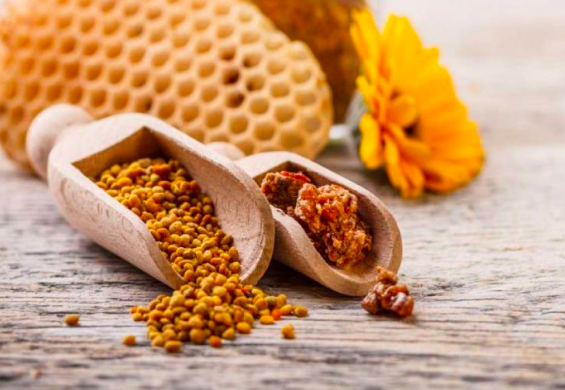
The project is part of a bilateral CNR/ASRT agreement and aims to discover the bioactive components of Egyptian propolis, extract them, study their chemical properties and transfer them into microcapsules that could be integrated into some functional foods to improve their quality and shelf life. During the project, a characterization of the main bioactive molecules will be carried out and the antioxidant and antibacterial properties of the samples of Egyptian propolis as such, of the extracts obtained by different extraction techniques (water, solvents and CO2 at different temperatures) and of the microcapsules produced at starting from the extracts. The project offers the opportunity to produce new functional materials using food plant by-products. The microencapsulation of bioactive nano compounds, which can be introduced into food, leads to the potential future development of new functional foods.

ALIFUN - Development of functional foods for the innovation of traditional Italian food products
Start date: 30/04/2021   End date: 31/10/2024

MUR

Pisa   Website

Vincenzo Longo

Project duration:
30/04/2021 - 31/10/2024
Financing body:
MUR
Project research leader:
Vincenzo Longo
Headquarters:
Pisa
Project website:
Website

ALIFUN - Development of functional foods for the innovation of traditional Italian food products


The main objective of the project is to develop various industrial-scale prototypes of functional foods using food matrices typical of Italian tradition. This objective will be pursued by characterizing the presence of naturally occurring or added bioactive components in the food and through the prototyping of novel foods relevant to the health sector of the agri-food industry.

The amount of funding received from the European Union for the Institute totals €70,592.67. IBBA’s role will involve evaluating the protective effect of a pasta enriched with artichoke flour (Cynara cardunculus scolymus) in response to steatosis induction. The pasta will be supplied by ISPA-CNR in Bari.

The aim of the experimental activity is to verify the pasta’s protective effects, including antioxidant, hypolipidemic, anti-inflammatory properties, and its impact on drug metabolism enzymes in rats treated with a hyperlipidic diet.

POSTER

PRIN 2022 MEANT - Energy Metabolism: a new target for Neuroprotective Strategies in Parkinson's Disease
Start date: 18/10/2023   End date: 17/10/2025

MUR

Pisa
Luisa Pozzo

Project duration:
18/10/2023 - 17/10/2025
Financing body:
MUR
Project research leader:
Luisa Pozzo
Headquarters:
Pisa

PRIN 2022 MEANT - Energy Metabolism: a new target for Neuroprotective Strategies in Parkinson's Disease


It is increasingly known that dysregulation of neuronal mitochondrial energy metabolism is implicated in neurodegeneration and the pathogenesis of Parkinson’s disease (PD). Oxidative damage to mitochondrial proteins and organelles can compromise neuronal energy balance and ATP production, resulting in cellular apoptosis. Indeed, some studies demonstrate that dopaminergic (DA) neurons in the substantia nigra (SN) are characterized by high energy demands, making them extremely vulnerable to neurodegeneration. This can trigger damage to mitochondrial energy metabolism in tissues and systems with high energy demands, resulting in a neuroinflammatory process that represents the critical point in disease progression.

This project aims to investigate energy metabolism dysfunction in the pathophysiology of Parkinson’s disease and define a promising intervention (drugs and new alternative compounds based on fermented vegetables and cereals) that, by rescuing the initial pathological processes, can slow or prevent neuroinflammation and/or neurodegeneration.

PNRR ONFOODS (SPOKE 2) - SMART and CIRCULAR FOOD SYSTEM and DISTRIBUTION
Start date: 01/11/2022   End date: 30/04/2026

MUR

Milano, Pisa   Website

Barbara Menin

Project duration:
01/11/2022 - 30/04/2026
Financing body:
MUR
Project research leader:
Barbara Menin
Headquarters:
Milano, Pisa
Project website:
Website

PNRR ONFOODS (SPOKE 2) - SMART and CIRCULAR FOOD SYSTEM and DISTRIBUTION


As part of the ONFOODS Partnership, CNR-IBBA is deeply involved in SPOKE 2, where it conducts research related to the development of innovative technologies for the recovery and valorisation of agri-food waste and the use of biomass obtained for the formulation of new solutions for sustainable, bio-based food packaging.

In particular, in WP2.1 ‘WP2.2: New technologies for food waste recovery’ IBBA coordinates for the CNR in Task 2.1.1 the BIOCOIM-BIOCOnversion of agro-industrial food and waste by Insects and Microalgae project and participates within Task 2.1.3 at the projects NEWPRO-NEW food and non-food PROducts from agrifood wastes and VALUE_PRODUCT-EVALUation of prototypEs from by PRODUCTs/waste. In WP2, IBBA participates in Task 2.2.1 in the projects BIOPACK-New solution for sustainable BIO-based food PACKaging; FUNPACK-Assessment of bio-FUNctional properties of new smart and sustainable PACKaging solutions and PILOT_PACK-PILOT-scale PACKaging solutions; and within Task 2.2.2 in the BIOSAN-BIOchemical technologies for SANitization of fresh food products project.

PNRR AGRITECH (SPOKE 9) - New technologies and methodologies for traceability, quality, safety, measurement, and certification to enhance and protect typicality in agri-food supply chains
Start date: 01/09/2022   End date: 30/04/2026

MUR

Milano, Lodi, Pisa   Website

Laura Pucci

Project duration:
01/09/2022 - 30/04/2026
Financing body:
MUR
Project research leader:
Laura Pucci
Headquarters:
Milano, Lodi, Pisa
Project website:
Website

PNRR AGRITECH (SPOKE 9) - New technologies and methodologies for traceability, quality, safety, measurement, and certification to enhance and protect typicality in agri-food supply chains


Spoke 9 aims to conceive, design, test, and disseminate innovative digital solutions to understand the origin, authenticity, and guarantee the safety of agricultural products, with the aim of enhancing and protecting the unique characteristics of agri-food supply chains. Within Spoke 9, IBBA is involved in Task 9.11 (Chemical, Physical, Biological, Sensory, and Genetic methods and protocols for the measurement of product quality and traceability of food matrices and for soil characterization) and 9.1.5 (Modeling sustainability and quality of farm processes and food using on-farm and lab measurements).

In Task 9.1.1, IBBA aims to validate a genetic profiling method based on intron length polymorphisms of the β-tubulin (TBP) gene family for the authentication of olive and cereal cultivars supplied by partners.

In task 9.1.5, an in vivo study on cattle allows us to evaluate the effect of feed supplemented with natural substances on antibiotic resistance and the quality of milk produced, determining chemical and biofunctional parameters. Thanks to the collaboration with ISTI, the use of visible and hyperspectral imaging, combined with machine learning, is being investigated as a rapid, non-destructive, and cost-effective alternative to traditional laboratory chemical analyses for assessing milk quality.

NUTRAGE - Nutrition, Diet & Active Aging
Start date: 01/06/2023   End date: 31/12/2025

CNR

Milano, Lodi, Pisa, Roma Montelibretti   Website

Laura Pucci

Project duration:
01/06/2023 - 31/12/2025
Financing body:
CNR
Project research leader:
Laura Pucci
Headquarters:
Milano, Lodi, Pisa, Roma Montelibretti
Project website:
Website

NUTRAGE - Nutrition, Diet & Active Aging


With a multidisciplinary approach, Nutrage aims to promote solutions and strategies for active and healthy aging, which have significant implications for the future, well-being, and social cohesion of the country. Evidence suggests that nutrition plays a key role in promoting the prevention and delaying the onset of major aging-related diseases. Therefore, the project intends to develop new foods with high nutritional value, new dietary regimens, and specific personalized nutrition programs, and to promote new pathways to support the health, well-being, and safety of the most vulnerable populations. The specific objectives of the project are:

  • Development of agri-food (bio)technologies
  • Development of new foods with high health value
  • Green technologies for the extraction and stabilization of biocompounds
  • Identification of early biomarkers
  • Innovative strategy for active and healthy aging
  • Integrated analysis of the physiopathological bases of aging
  • Food culture and education
Istituto

Search website