StaffAlessandra Stella


Informations


E-mail
alessandra.stella@cnr.it

Phone
+39 0223699418

Office
Milano

Research area
BIOTEC, QUALY, BIOGEN, ECOBIOS


ORCID: 0000-0003-2850-3964
Scopus Author ID: 55919193200

Stella Alessandra

Director of Research

Education

Msc Università di Milano

PhD University of Guelph, Canada

Professional experience

2025-Currently: Director of IBBA CNR

2023-2024: Director of Research at IBBA CNR

2009 – 2023: Researcher at IBBA CNR

2015 – 2018: Chief Scientific Officer Fondazione Parco Tecnologico Padano – PTP Science, Lodi, Italy

2014 – 2018: Core Facilities Coordinator  Parco Tecnologico Padano srl , Lodi Italy

2002 – 2014: Chief scientist Statistical Genomics and Bioinformatics – Centro Ricerche e Studi Agro-Alimentari CERSA – Segrate, Italy

2004: Visiting Professor Department of Animal Sciences, University of Wisconsin-Madison, USA

1996 – 1999: Research Fellow  Canadian Dairy Network (CDN), Guelph, Canada.

1994: Research fellow. Associazione Nazionale Della Pastorizia (AssoNaPa)

Research interests

  • Statistical and bioinformatic analysis of biological processes
  • Genetics and genomics
  • Biotechnologies
  • Technology transfer
  • Application of statistical and bioinformatic methods to the analysis of plant, animal and human genetic data
  • Application of novel models and algorithms to the analysis and integration of -omics data
  • Development of methods and tools for the integration of genomic, phenotypic and environment information

Projects in progress

LearningFromSheep – Joint Chair
Start date: 01/01/2025   End date: 01/01/2027

CNR-UNIPR

Milano, Lodi
Stefano Biffani

Project duration:
01/01/2025 - 01/01/2027
Financing body:
CNR-UNIPR
Project research leader:
Stefano Biffani
Headquarters:
Milano, Lodi

LearningFromSheep – Joint Chair


The joint research project LearningFromSheep copes with the use of advanced deep learning models to develop an innovative system for counting differential somatic cells—an innovative proxy for assessing milk quality and udder health—and to automate the analysis of microscope images, thereby eliminating the need for manual counting and drastically reducing data processing times.

BIOGENVER -Biodiversity, Genetics, and Product Quality in a Sustainable Valorization Model for the Nera di Verzasca Goat Breed
Start date: 17/03/2026   End date: 16/03/2028

Regione Lombardia

Milano, Lodi
Federica Turri

Project duration:
17/03/2026 - 16/03/2028
Financing body:
Regione Lombardia
Project research leader:
Federica Turri
Headquarters:
Milano, Lodi

BIOGENVER -Biodiversity, Genetics, and Product Quality in a Sustainable Valorization Model for the Nera di Verzasca Goat Breed


The BIOGENVER project was established to safeguard and promote the Nera di Verzasca goat, a native Lombardy breed that is at severe risk of extinction. Coordinated by the IBBA-CNR, the project involves the Department of Medical-Veterinary Sciences of the University of Parma and three custodian farms, with the support of AssoNaPa, the breed’s official breeding association.

Through genotyping and pedigree analysis, mating plans based on Optimal Contributions will be developed to reduce inbreeding and relatedness, preserve genetic variability, and improve production quality. Analyses of milk composition and cheese-making performance will help guide breeding decisions, while also enhancing the value of traditional products such as Formaggella del Luinese PDO.

The selection of new breeding animals will also make it possible to expand and diversify the collection of semen already preserved in the IBBA-CNR Animal Germplasm Cryobank. Farmers will be directly involved in animal evaluations and in the shared definition of breeding objectives.

BIOGENVER therefore aims to integrate biodiversity conservation, production quality, sustainability, and territorial identity, developing an approach to the conservation and enhancement of the Nera di Verzasca breed that can also serve as a model for other local goat breeds.

EU-IBISBA - European Industrial Biotechnology Innovation and Synthetic Biology Accelerator
Start date: 01/01/2017   End date: 31/12/2027

Unione Europea

Milano, Lodi   Website

Emanuela Pedrazzini

Project duration:
01/01/2017 - 31/12/2027
Financing body:
Unione Europea
Project research leader:
Emanuela Pedrazzini
Headquarters:
Milano, Lodi
Project website:
Website

EU-IBISBA - European Industrial Biotechnology Innovation and Synthetic Biology Accelerator


EU-IBISBA is a pan-European research infrastructure dedicated to Industrial Biotechnology that provides a single access point to researchers from academia and industry across the globe to integrated services for end-to-end bioprocess development. By federating European expertise and state-of-the-art research and development facilities, we promote standardization and best data practices as core elements of service reproducibility and interoperability. In doing so, EU-IBISBA accelerates the production and translation of cutting-edge knowledge into innovation for biomanufacturing.

IBISBA-IT serves as the Italian Node of EU-IBISBA, playing a distinct role across four key domains: Synthetic Biology, Green Chemistry, Sustainable Bioenergy, and Functional Food. IBISBA-IT contributes to the overarching goals of EU-IBISBA by bolstering the Italian scientific research in Industrial Biotechnology, supporting national and local authorities, and fostering training and educational initiatives.

Projects completed

COVES - Development and validation of a rapid method for the detection of SARSCoV-2 on environmental surfaces
Start date: 21/04/2020   End date: 20/10/2020

Regione Lombardia

Lodi
Paola Cremonesi

Project duration:
21/04/2020 - 20/10/2020
Financing body:
Regione Lombardia
Project research leader:
Paola Cremonesi
Headquarters:
Lodi

COVES - Development and validation of a rapid method for the detection of SARSCoV-2 on environmental surfaces


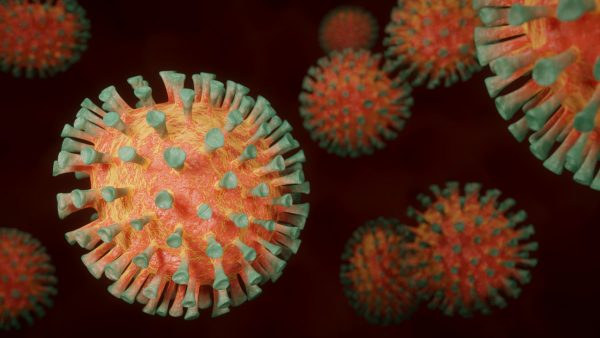
The COVES project will develop and validate a simplified sampling and analysis procedure on a portable device for the specific and sensitive detection of the SARS-CoV-2 virus in the environment. This procedure will ensure greater safety in the work areas, thus reducing the negative impact that the COVID-19 emergency has on the local and national economy and decreasing the gap between the information and the suggested solutions. The main result of the project will be the development of a method for the rapid analysis of the SARS-CoV-2 in the environment, suitable for a field-use also by non-expert users. The project involves Hyris Ltd, leader of the project, which develops the technology, IBBA CNR which will take charge of the method validations and IZSLER (section of Pavia) which will validate “in-situ” the efficacy of this method on various contaminated surfaces using SARS-CoV-2 positive samples with known concentration.

BILLBOARD – ADVERTISING PLATE – POSTER

CASTADIVA-Biodiversity and multifunctionality of the chestnut tree. Valorization of genetic resources for the development of Lombardy sub mountain areas
Start date: 11/06/2021   End date: 30/11/2023

Regione Lombardia

Milano   Website

Eleonora Cominelli

Project duration:
11/06/2021 - 30/11/2023
Financing body:
Regione Lombardia
Project research leader:
Eleonora Cominelli
Headquarters:
Milano
Project website:
Website

CASTADIVA-Biodiversity and multifunctionality of the chestnut tree. Valorization of genetic resources for the development of Lombardy sub mountain areas


Over the centuries, the chestnut tree, cultivated for its fruits and timber, has become an essential element of subsistence for many societies in mountain and sub-mountainous areas, revealing its potential as a multifunctional species. However, today a large part of chestnut forests is in a state of degradation and abandonment, mainly due to the depopulation of rural areas, global climate change and recent outbreaks of exotic pests. With a view to the recovery and enhancement of chestnut genetic resources, the CASTADIVA project mainly aims to:

  • map the chestnut areas of pilot areas in the Lombardy Region (chestnut groves in the Municipality of Serle, BS and in the Varese Prealps, VA);
  • evaluate the genetic diversity of chestnut woods, genetically characterize local varieties
  • to characterize the fruits from a morphological, pomological, qualitative and nutritional point of view
  • integrate data obtained from genetic and morphometric analysis with ecological, silvicultural, phytosanitary and possibly socio-economic data;
  • identify the best practices and management criteria for the conservation and enhancement of chestnut genetic resources to be applied in the areas of greatest interest; transfer information to local administrations and the agricultural world.
BIO-MEMORY
Start date: 15/10/2021   End date: 15/02/2024

CNR

Milano, Lodi, Pisa, Roma
Flavia Pizzi, Aldo Ceriotti

Project duration:
15/10/2021 - 15/02/2024
Financing body:
CNR
Project research leader:
Flavia Pizzi, Aldo Ceriotti
Headquarters:
Milano, Lodi, Pisa, Roma

BIO-MEMORY


The project is organized in 3 main activities:

1) Implementation and updating of the BioGenRes network of biobanks, with a focus on nationally/internationally recognized collections of animal, plant or microorganism species samples (animal and plant germplasm banks, microbial strain libraries of pathogenic/toxigenic organisms, nematodes, soil and water microflora and microorganisms used in agro-industry and food (e.g. microbial starters for fermentations)).

2) Replication (rejuvenation) and expansion of material stored in collections. For plant and microbial collections: multiplication of accessions for which a small amount of material is available and rejuvenation of accessions whose seed viability data are below the expected standards (> 85%). For animal collections of zootechnical interest: collection and freezing of genetic material of local breeds to complete sampling carried out in previous projects or expansion of the number of species and breeds stored in cryobanks.

3) Biochemical, molecular, metabolic, functional and phenotypic characterization of the material conserved in the biobanks of the BioGenRes network, also in order to carry out association studies and to identify markers associated with traits linked to production and/or adaptation to biotic and abiotic stress factors.

CASTANEVAL - Chestnut cultivation in Lombardy: valorizing native genetic resources
Start date: 24/12/2022   End date: 23/12/2024

Regione Lombardia

Milano   Website

Eleonora Cominelli

Project duration:
24/12/2022 - 23/12/2024
Financing body:
Regione Lombardia
Project research leader:
Eleonora Cominelli
Headquarters:
Milano
Project website:
Website

CASTANEVAL - Chestnut cultivation in Lombardy: valorizing native genetic resources


The CASTANEVAL project aims to address the need for scientific knowledge on chestnut genetic resources in Lombardy, providing tools for the valorization and conservation of native germplasm and undertaking management recovery actions for chestnut groves. The pilot study areas are several chestnut groves in the municipality of Serle (BS) and the Varese Prealps (VA). The CASTANEVAL project also aims to develop a chestnut micropropagation system to provide a practical, sustainable, and cost-effective tool for the conservation and multiplication of native germplasm of high local interest. The project will also study the ecological context and the degree of naturalness of stands, from wild to coppice to cultivated varieties. A comprehensive characterization of chestnut genetic resources in the areas studied will result from the integration of genetic, morphological, ecological, and production data.

Sheep-TreeSeq: Scalable analysis of sheep genome diversity using tree sequences
Start date: 01/12/2023   End date: 30/11/2025

CNR/Royal Society (Biennio 2024-2025)

Milano
Filippo Biscarini

Project duration:
01/12/2023 - 30/11/2025
Financing body:
CNR/Royal Society (Biennio 2024-2025)
Project research leader:
Filippo Biscarini
Headquarters:
Milano

Sheep-TreeSeq: Scalable analysis of sheep genome diversity using tree sequences


Sheep-TreeSeq will perform scalable analysis of genomic diversity of sheep global populations using the novel tree sequence data format and methodology. Technological advances in agritech have increased the availability of genomic data, leading to massive datasets (“big data”) which pose challenges for storage, processing and analysis, e.g. the sheer volume of the data, the rapid generation of new data (updating results, expanding training populations, streaming applications), and the heterogeneity of data sources (integration of data from multiple sequencing and genotyping platforms). The tree sequence algorithm offers an excellent way to address such challenges, by providing lossless compression and novel representation of the data. As an example, using tree sequences on the 1000 Bull Genome Project data a 90% lossless compression was obtained, reducing the data size from ~800 GB to 45 GB. For the Sheep TreeSeq project we will use around 3,500 sheep whole genome sequences and over 50,000 genotypes (~10 TB of data). Our plan is to apply the tree sequence approach to compress the data and obtain a data representation highly suited for population genetics and demographic analysis: (i) principal component and genealogical nearest neighbour clustering; (ii) fixation index measuring genetic differentiation; (iii) deep neural network based clustering methods; iv) detection of runs of homozygosity (ROH) and heterozygosity-rich regions (HRR). This is the first time that this approach is applied to sheep genomics.


PRIN IN-FACT (SPOKE 3) - One Health Basic and Translational Actions Addressing Unmet Needs on Emerging Infectious Diseases
Start date: 02/11/2022   End date: 30/04/2026

MUR

Milano, Lodi   Website

Paola Cremonesi

Project duration:
02/11/2022 - 30/04/2026
Financing body:
MUR
Project research leader:
Paola Cremonesi
Headquarters:
Milano, Lodi
Project website:
Website

PRIN IN-FACT (SPOKE 3) - One Health Basic and Translational Actions Addressing Unmet Needs on Emerging Infectious Diseases


Emerging infectious diseases, defined by the WHO as infections caused by newly identified or previously unknown pathogens, represent a growing threat to global public health. The SARS-CoV-2 pandemic has shown how vulnerable our societies can be, but also how important tools such as infection control, virus DNA analysis, vaccine and drug development, and understanding of our immune system defenses are. Many of these diseases originate in animals and can be transmitted to humans. For this reason, the One Health approach is essential, recognizing that human health is closely connected to animal and environmental health. Within this context, the INF-ACT research program studies emerging infectious diseases to improve the prevention and response capacity of healthcare systems. The program focuses on emerging viruses, insect-borne diseases, antibiotic-resistant bacteria, the study of infection spread, and the development of new therapies.

As part of this project, IBBA-CNR is developing new tools to quickly detect antibiotic-resistant bacteria by analyzing samples from humans, animals, and the environment. The goal is to improve the diagnosis and control of these infections, better understand the prevalence of antibiotic resistance, and strengthen surveillance, always following the One Health approach.

SCALA-MEDI Improving sustainability and quality of Sheep and Chicken production by leveraging the Adaptation potential of LocAl breeds in the MEDIterranean area
Start date: 01/08/2022   End date: 31/07/2026

Unione Europea

Milano   Website

Alessandra Stella

Project duration:
01/08/2022 - 31/07/2026
Financing body:
Unione Europea
Project research leader:
Alessandra Stella
Headquarters:
Milano
Project website:
Website

SCALA-MEDI Improving sustainability and quality of Sheep and Chicken production by leveraging the Adaptation potential of LocAl breeds in the MEDIterranean area


The SCALA-MEDI project will optimize the sustainable use and conservation of local sheep and poultry genetic resources in the Mediterranean region, focusing on adaptation to climate conditions and consumer preferences.

The experience and data from previous EU projects will be extended to the genetic and epigenetic characterization of local resources and their adaptation to different production environments in three North African countries: Tunisia, Algeria, and Morocco.

Tools and strategies will be developed to improve local breeds for sustainable production. The application of these tools will be demonstrated to farmers in different Mediterranean production systems.

PRIN AGRITECH (SPOKE 1) - Plant, animal and microbial genetic resources and adaptation to climatic changes
Start date: 01/09/2022   End date: 30/04/2026

MUR

Milano, Lodi, Pisa, Roma   Website

Alessandra Stella, Emanuele Capra

Project duration:
01/09/2022 - 30/04/2026
Financing body:
MUR
Project research leader:
Alessandra Stella, Emanuele Capra
Headquarters:
Milano, Lodi, Pisa, Roma
Project website:
Website

PRIN AGRITECH (SPOKE 1) - Plant, animal and microbial genetic resources and adaptation to climatic changes


Plant, animal and microbial genetic resources and adaptation to climatic changes

The resilience of agricultural and forest ecosystems under stressful conditions generated by climate change requires the enhancement and exploitation of genetic resources through state-of-the-art conservation strategies, combined with in-depth genome characterization and high-throughput phenotyping.

Activities include large-scale sequencing of accessions/breeds/strains, extensive marker-based genome descriptions, elucidation of the (pan)genome, deep phenotyping, and multi-omics characterization.

The resulting information, processed through advanced methods for the analysis, interpretation, archiving, and management of complex data, will highlight superior alleles/haplotypes, identify beneficial interactions across a variety of conditions, and define conservation units.

DeepMicroCore: Harnessing the power of artificial intelligence to identify the core microbiome
Start date: 01/01/2024   End date: 31/12/2025

CNR/IVI (Serbia)

Milano
Filippo Biscarini

Project duration:
01/01/2024 - 31/12/2025
Financing body:
CNR/IVI (Serbia)
Project research leader:
Filippo Biscarini
Headquarters:
Milano

DeepMicroCore: Harnessing the power of artificial intelligence to identify the core microbiome


In DeepMicroCore we will develop DNN models to predict the substrate (species, tissue, food), time (e.g. developmental/physiological stage, experimental timepoint) and place (geographical location) of origin from microbiome data. We refer (and will use) specifically to 16S/18S/ITS rRNA-gene/amplicon sequencing data (metataxonomics). These predictive models will be optimized to maximise the accuracy of predictions in an unbiased way through cross-validation. With these working models, we will then be able to estimate variable importance and retrieve interesting features, e.g. the most relevant ASV/OTU for their impact on the prediction accuracy, or combinations and functions of ASV/OTU, or between-sample distances from embeddings. The features extracted from the DNN predictive models will then help us define and identify the core microbiome. For example, given microbiome data from multiple human/animal tissues (e.g. gut, skin, milk) sampled in different geographical locations, we will build a DNN model able to accurately predict to which tissue and location each sample belongs. Then, by extracting the relevant features from this model we will be able to identify the gut/skin/milk core microbiome. The core microbiome will be composed of those microbial taxa that discriminate between different tissues: some taxa may overlap between different microbiomes, and these will be identified by specific predictive models (e.g. one vs all predictions).

PRIN 2022 MISS.GO – Microbiota and Immune SignatureS of Graves’ disease and Orbitopathy
Start date: 18/10/2023   End date: 28/02/2026

MUR

Milano, Lodi
Federica Turri

Project duration:
18/10/2023 - 28/02/2026
Financing body:
MUR
Project research leader:
Federica Turri
Headquarters:
Milano, Lodi

PRIN 2022 MISS.GO – Microbiota and Immune SignatureS of Graves’ disease and Orbitopathy


MISSGO addresses Graves’ disease and its main complication, Graves’ orbitopathy, an inflammatory condition that can cause severe functional and aesthetic impairment. As predictive models for identifying patients at risk of developing orbitopathy are still lacking, the project aims to clarify the underlying biological mechanisms.

MISSGO investigates the interaction between the gut microbiota and the immune system, with a particular focus on the imbalance between pro-inflammatory and regulatory T cells. Using advanced shotgun sequencing techniques integrated with multi-omics approaches, the project analyses microbiota composition and immune responses in patients with Graves’ disease, Graves’ orbitopathy, and healthy controls.

A key innovative aspect is the study of immune cells directly sampled from the thyroid and lymph nodes, enabling a disease-specific characterization. By integrating immunological and microbiological data, MISSGO aims to develop a predictive model for early identification of patients at risk, opening new perspectives for timely diagnosis and targeted therapies

FARM-INN Farm-level interventions supporting dairy industry innovation
Start date: 05/10/2020   End date: 31/08/2021

AGER

Lodi   Website

Bianca Castiglioni

Project duration:
05/10/2020 - 31/08/2021
Financing body:
AGER
Project research leader:
Bianca Castiglioni
Headquarters:
Lodi
Project website:
Website

FARM-INN Farm-level interventions supporting dairy industry innovation


The project FARM-INN aims to provide farm-level interventions supporting dairy industry enhancing safety and quality of milk and cheese and providing the necessary scientific evidence and new insight regarding their functional properties. The proposed actions will be carried out assessing and improving animal welfare and the environmental sustainability. In particular, two aspects will be tackled and studied in the proposed project: i) the development and use of new feed supplements adsorbing mycotoxins and reducing pathogenic and spoilage clostridia in milk ii) the characterization of cheese making and functional properties of A1 and A2 variants of beta-casein in milk. The evaluation of environmental sustainability of the adsorbent supplementations to the cow rations and the potential effect of cheese making using A1 and A2 beta-casein types in milk analyses through a Life Cycle Assessment approach will be performed.

The project will offer opportunities to the dairy farmers to strengthen their competitiveness, in the context of a better control of safety and quality issues, and will help dairy industry in placing on the market high-quality products adapted to the new expectations of consumers.

sPATIALS3 - Improvement of agrifood productions and innovative technologies for a safer and more secure and sustainable nutrition
Start date: 01/02/2020   End date: 31/10/2022

Regione Lombardia

Milano, Lodi
Francesca Sparvoli

Project duration:
01/02/2020 - 31/10/2022
Financing body:
Regione Lombardia
Project research leader:
Francesca Sparvoli
Headquarters:
Milano, Lodi

sPATIALS3 - Improvement of agrifood productions and innovative technologies for a safer and more secure and sustainable nutrition


sPATIALS3 is a technological and research hub involving 12 CNR Institutes belonging to 4 different Departments and 4 companies. Main objectives will be: obtainment of innovative food products improved for their nutritional and functional properties; provision and implementation of precision technologies to guarantee products quality, safety and traceability; development of innovative and eco-sustainable smart– and active-packaging to minimize and reuse wastes, where possible, and to increase food preservability; provision to consumers and producers of tools for results exploitation.

Istituto

Search website