StaffBianca Castiglioni


Informations


E-mail
bianca.castiglioni@cnr.it

Phone
+39 0250334574

Office
Lodi

Research area
QUALY, BIOGEN


ORCID: 0000-0003-2326-6701
Research Gate: Bianca Castiglioni
Scopus Author ID: 7003290977
WoS Researcher ID: G-9856-2013
Linkedin: Bianca Castiglioni

Castiglioni Bianca

Director of Research

Education

1996: MSc in Applied Genetics at University of Pavia (IT)

1991: BSc in Biology at University of Pavia (IT)

Professional experience

2025-Today: Research Director and Head of the Lodi Branch of the Institute of Agricultural Biology and Biotechnology of the National Research Council

2010-2025: Senior research scientist at the Italian Council for Research (CNR), Institute of agricultural biology and biotechnology (IBBA)

2001-2009: Researcher at the Italian Council for Research (CNR), Institute of agricultural biology and biotechnology (IBBA)

2000-2001: Researcher at Institute of Biomedical Technologies (ITB)

Research interests

  • Study of genes and mechanisms that control the livestock production traits to the study of animal and environmental microbiota, with special focus on the development of molecular diagnostic tools for the animal health, the traceability and food safety of animal products.

Projects in progress

LearningFromSheep – Joint Chair
Start date: 01/01/2025   End date: 01/01/2027

CNR-UNIPR

Milano, Lodi
Stefano Biffani

Project duration:
01/01/2025 - 01/01/2027
Financing body:
CNR-UNIPR
Project research leader:
Stefano Biffani
Headquarters:
Milano, Lodi

LearningFromSheep – Joint Chair


The joint research project LearningFromSheep copes with the use of advanced deep learning models to develop an innovative system for counting differential somatic cells—an innovative proxy for assessing milk quality and udder health—and to automate the analysis of microscope images, thereby eliminating the need for manual counting and drastically reducing data processing times.

EU-IBISBA - European Industrial Biotechnology Innovation and Synthetic Biology Accelerator
Start date: 01/01/2017   End date: 31/12/2027

Unione Europea

Milano, Lodi   Website

Emanuela Pedrazzini

Project duration:
01/01/2017 - 31/12/2027
Financing body:
Unione Europea
Project research leader:
Emanuela Pedrazzini
Headquarters:
Milano, Lodi
Project website:
Website

EU-IBISBA - European Industrial Biotechnology Innovation and Synthetic Biology Accelerator


EU-IBISBA is a pan-European research infrastructure dedicated to Industrial Biotechnology that provides a single access point to researchers from academia and industry across the globe to integrated services for end-to-end bioprocess development. By federating European expertise and state-of-the-art research and development facilities, we promote standardization and best data practices as core elements of service reproducibility and interoperability. In doing so, EU-IBISBA accelerates the production and translation of cutting-edge knowledge into innovation for biomanufacturing.

IBISBA-IT serves as the Italian Node of EU-IBISBA, playing a distinct role across four key domains: Synthetic Biology, Green Chemistry, Sustainable Bioenergy, and Functional Food. IBISBA-IT contributes to the overarching goals of EU-IBISBA by bolstering the Italian scientific research in Industrial Biotechnology, supporting national and local authorities, and fostering training and educational initiatives.

Projects completed

COVES - Development and validation of a rapid method for the detection of SARSCoV-2 on environmental surfaces
Start date: 21/04/2020   End date: 20/10/2020

Regione Lombardia

Lodi
Paola Cremonesi

Project duration:
21/04/2020 - 20/10/2020
Financing body:
Regione Lombardia
Project research leader:
Paola Cremonesi
Headquarters:
Lodi

COVES - Development and validation of a rapid method for the detection of SARSCoV-2 on environmental surfaces


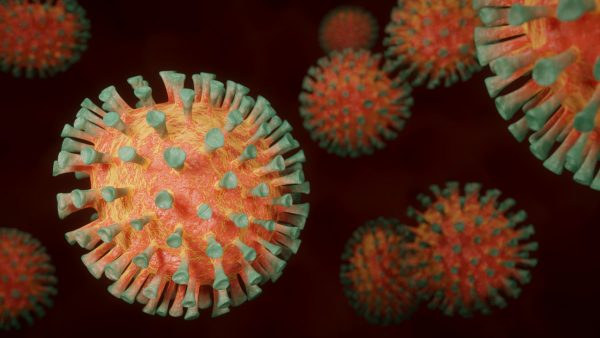
The COVES project will develop and validate a simplified sampling and analysis procedure on a portable device for the specific and sensitive detection of the SARS-CoV-2 virus in the environment. This procedure will ensure greater safety in the work areas, thus reducing the negative impact that the COVID-19 emergency has on the local and national economy and decreasing the gap between the information and the suggested solutions. The main result of the project will be the development of a method for the rapid analysis of the SARS-CoV-2 in the environment, suitable for a field-use also by non-expert users. The project involves Hyris Ltd, leader of the project, which develops the technology, IBBA CNR which will take charge of the method validations and IZSLER (section of Pavia) which will validate “in-situ” the efficacy of this method on various contaminated surfaces using SARS-CoV-2 positive samples with known concentration.

BILLBOARD – ADVERTISING PLATE – POSTER

DNA analysis using a low-cost portable device for food safety
Start date: 13/02/2019   End date: 12/06/2019

Hyris Ltd

Lodi   Website

Bianca Castiglioni

Project duration:
13/02/2019 - 12/06/2019
Financing body:
Hyris Ltd
Project research leader:
Bianca Castiglioni
Headquarters:
Lodi
Project website:
Website

DNA analysis using a low-cost portable device for food safety


The objective of this project is the development of new specific molecular methods for pathogen detection along the dairy supply chain, in order to overcome the critical issues related to field sample analysis. In particular, within this project Hyris Ltd intends to implement on its platform new Real-Time PCR protocols for analyzing dairy products, in order to detect the presence of pathogens responsible for toxic infections along the production chain.
InterOmics – Subproject: Omics Technologies for the Valorization of Durum Wheat Germplasm
Start date: 29/07/2014   End date: 31/12/2018

MIUR

Milano, Lodi   Website

Aldo Ceriotti

Project duration:
29/07/2014 - 31/12/2018
Financing body:
MIUR
Project research leader:
Aldo Ceriotti
Headquarters:
Milano, Lodi
Project website:
Website

InterOmics – Subproject: Omics Technologies for the Valorization of Durum Wheat Germplasm


The project is divided into three phases:

1) Launching an initiative to sequence the durum wheat genome; this objective will be pursued through complementary strategies that, taken together, will address the two main challenges associated with sequencing this species’ complex genome (the presence of two highly similar genomes and a high percentage of repetitive sequences).

2) Characterizing the varieties used for genomic studies at the proteomic and metabolomic levels. The results of this analysis will be integrated with those generated by genomic analysis, highlighting the presence of post-transcriptional and post-translational events in protein biosynthesis and providing insights into the activation of specific metabolic pathways.

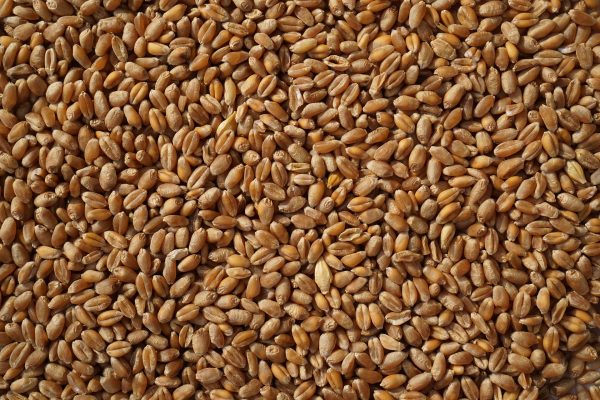
3) Phenotyping of 150 accessions already genotyped (SNP profiles) and derived via single seed descent from landraces/ecotypes. This collection is housed at the Bari branch of the Institute of Biosciences and Bioresources of the National Research Council. These materials will enable association mapping analysis between SNPs and morphophysiological characteristics of plants, thus providing the basis for using these genetic resources in the development of new hard fruit varieties

FilAgro – Innovative and sustainable strategies for the agri-food chain
Start date: 05/08/2013   End date: 31/10/2015

Regione Lombardia

Milano, Lodi
Diego Breviario

Project duration:
05/08/2013 - 31/10/2015
Financing body:
Regione Lombardia
Project research leader:
Diego Breviario
Headquarters:
Milano, Lodi

FilAgro – Innovative and sustainable strategies for the agri-food chain


The FILAGRO project aims to provide solutions to several issues that are emerging in the field of modern agriculture. They concern: production sustainability, biodiversity and environment preservation; improvement in food quality, safety and healthy and nutritional aspects; technology development in favor of industry; new knowledge dissemination. These issues are highlighted as of high importance in the EXPO 2015 and Horizon 2020 programs as well as in the 2013-2015 plan of the Agriculture Directorate of the Lombardy Region.

GENOBU - Water buffalo genome sequencing for the quali-quantitative improvement of agrifood productions
Start date: 01/01/2019   End date: 31/12/2024

MIUR

Lodi
Bianca Castiglioni

Project duration:
01/01/2019 - 31/12/2024
Financing body:
MIUR
Project research leader:
Bianca Castiglioni
Headquarters:
Lodi

GENOBU - Water buffalo genome sequencing for the quali-quantitative improvement of agrifood productions


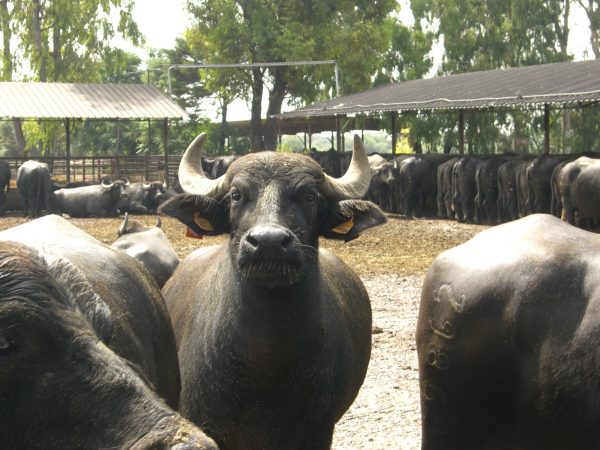
GENOBU is an original, innovative and multidisciplinary project combining genome sequencing of the water buffalo to the healthiness of animals and the improvement of quality and quantity of buffalo food products. The project will develop know-how and innovative process technologies to be provided to breeders and agro-food industry, with the objectives of optimizing the efficiency in milk processing, and to ensure best nutraceutical value to buffalo foods.

RABoLa - Sustainable strategies to reduce the use of antibiotics in dairy farming
Start date: 28/12/2018   End date: 27/06/2022

Regione Lombardia

Milano, Lodi   Website

Paola Cremonesi, Laura Morello

Project duration:
28/12/2018 - 27/06/2022
Financing body:
Regione Lombardia
Project research leader:
Paola Cremonesi, Laura Morello
Headquarters:
Milano, Lodi
Project website:
Website

RABoLa - Sustainable strategies to reduce the use of antibiotics in dairy farming


The project, which involves different departments of the University of Milan (DISAA, DIMEVET, VESPA), researchers from the CNR ISPA and CNR IBBA and the DIANA Department of the Catholic University of the Sacred Heart of Piacenza, aims the primary identification of operative practices for reducing the use of antibiotics in the dairy cow herds. During the study, operative protocols already preliminary tested (administration of Aloe arborescens, use of Lactococcus lactis subsp. cremoris in pre and post dipping, molecules to inhibit Prototheca spp) will be validated during the entire lactation cycle of the cows.

This project will allow breeders to take advantages of new nutraceutical strategies and alternatives to the use of antibiotics, to enhance the innate defences and reduce the incidence and severity of mastitis. The validation of an effective protocol for the selective drying of animals would lead to a reduction of the preventive use of antibiotics, in line with what is requested at European level.

BIO4VERBA - Safeguarding the biodiversity of the local Verzaschese and Bionda dell'Adamello goat breeds: enhancing their production and creating an ex-situ genetic reserve.
Start date: 02/11/2022   End date: 01/11/2024

Regione Lombardia

Lodi
Federica Turri

Project duration:
02/11/2022 - 01/11/2024
Financing body:
Regione Lombardia
Project research leader:
Federica Turri
Headquarters:
Lodi

BIO4VERBA - Safeguarding the biodiversity of the local Verzaschese and Bionda dell'Adamello goat breeds: enhancing their production and creating an ex-situ genetic reserve.


The BIO4VERBA project was born from the need of breeders of the Verzaschese and Bionda dell’Adamello goat breeds to safeguard and promote their local breeds and the products associated with them.

BIO4VERBA has the following objectives:

  1. Expand the Lombardy Animal Genetic Resources Bank (LABank), launched in 2008, with the addition of the Bionda dell’Adamello breed and increasing the genetic material of the Verzaschese, already present in the bank;
  2. Characterize the milk of the two breeds (fat and protein composition, somatic cell content, fatty acid and terpene content, fat globule size, coagulation rate, and microbiota composition);
  3. Analyze the qualitative contribution of Verzaschese milk to the production of Formaggella del Luinese PDO compared to other breeds included in the production specifications, evaluating the microbiota and volatilome using an innovative approach (Next Generation Sequencing-Solid Phase Microextraction-Gas Chromatography-Mass Spectrometry);
  4. Characterize Fatulì della Val Saviore at the microbiome and volatilome levels for its valorization;
  5. Protect farmers who favor grazing by characterizing their products (Formaggella del Luinese PDO and Fatulì della Val Saviore) to identify the contribution of grazing to the cheeses’ sensory characteristics.
PRIN IN-FACT (SPOKE 3) - One Health Basic and Translational Actions Addressing Unmet Needs on Emerging Infectious Diseases
Start date: 02/11/2022   End date: 30/04/2026

MUR

Milano, Lodi   Website

Paola Cremonesi

Project duration:
02/11/2022 - 30/04/2026
Financing body:
MUR
Project research leader:
Paola Cremonesi
Headquarters:
Milano, Lodi
Project website:
Website

PRIN IN-FACT (SPOKE 3) - One Health Basic and Translational Actions Addressing Unmet Needs on Emerging Infectious Diseases


Emerging infectious diseases, defined by the WHO as infections caused by newly identified or previously unknown pathogens, represent a growing threat to global public health. The SARS-CoV-2 pandemic has shown how vulnerable our societies can be, but also how important tools such as infection control, virus DNA analysis, vaccine and drug development, and understanding of our immune system defenses are. Many of these diseases originate in animals and can be transmitted to humans. For this reason, the One Health approach is essential, recognizing that human health is closely connected to animal and environmental health. Within this context, the INF-ACT research program studies emerging infectious diseases to improve the prevention and response capacity of healthcare systems. The program focuses on emerging viruses, insect-borne diseases, antibiotic-resistant bacteria, the study of infection spread, and the development of new therapies.

As part of this project, IBBA-CNR is developing new tools to quickly detect antibiotic-resistant bacteria by analyzing samples from humans, animals, and the environment. The goal is to improve the diagnosis and control of these infections, better understand the prevalence of antibiotic resistance, and strengthen surveillance, always following the One Health approach.

PRIN AGRITECH (SPOKE 1) - Plant, animal and microbial genetic resources and adaptation to climatic changes
Start date: 01/09/2022   End date: 30/04/2026

MUR

Milano, Lodi, Pisa, Roma   Website

Alessandra Stella, Emanuele Capra

Project duration:
01/09/2022 - 30/04/2026
Financing body:
MUR
Project research leader:
Alessandra Stella, Emanuele Capra
Headquarters:
Milano, Lodi, Pisa, Roma
Project website:
Website

PRIN AGRITECH (SPOKE 1) - Plant, animal and microbial genetic resources and adaptation to climatic changes


Plant, animal and microbial genetic resources and adaptation to climatic changes

The resilience of agricultural and forest ecosystems under stressful conditions generated by climate change requires the enhancement and exploitation of genetic resources through state-of-the-art conservation strategies, combined with in-depth genome characterization and high-throughput phenotyping.

Activities include large-scale sequencing of accessions/breeds/strains, extensive marker-based genome descriptions, elucidation of the (pan)genome, deep phenotyping, and multi-omics characterization.

The resulting information, processed through advanced methods for the analysis, interpretation, archiving, and management of complex data, will highlight superior alleles/haplotypes, identify beneficial interactions across a variety of conditions, and define conservation units.

DeepMicroCore: Harnessing the power of artificial intelligence to identify the core microbiome
Start date: 01/01/2024   End date: 31/12/2025

CNR/IVI (Serbia)

Milano
Filippo Biscarini

Project duration:
01/01/2024 - 31/12/2025
Financing body:
CNR/IVI (Serbia)
Project research leader:
Filippo Biscarini
Headquarters:
Milano

DeepMicroCore: Harnessing the power of artificial intelligence to identify the core microbiome


In DeepMicroCore we will develop DNN models to predict the substrate (species, tissue, food), time (e.g. developmental/physiological stage, experimental timepoint) and place (geographical location) of origin from microbiome data. We refer (and will use) specifically to 16S/18S/ITS rRNA-gene/amplicon sequencing data (metataxonomics). These predictive models will be optimized to maximise the accuracy of predictions in an unbiased way through cross-validation. With these working models, we will then be able to estimate variable importance and retrieve interesting features, e.g. the most relevant ASV/OTU for their impact on the prediction accuracy, or combinations and functions of ASV/OTU, or between-sample distances from embeddings. The features extracted from the DNN predictive models will then help us define and identify the core microbiome. For example, given microbiome data from multiple human/animal tissues (e.g. gut, skin, milk) sampled in different geographical locations, we will build a DNN model able to accurately predict to which tissue and location each sample belongs. Then, by extracting the relevant features from this model we will be able to identify the gut/skin/milk core microbiome. The core microbiome will be composed of those microbial taxa that discriminate between different tissues: some taxa may overlap between different microbiomes, and these will be identified by specific predictive models (e.g. one vs all predictions).

PRIN 2022 ARIES – Advanced Research on the Impact of Environment on Sheep
Start date: 12/10/2023   End date: 28/02/2026

MUR

Milano, Lodi
Bianca Castiglioni

Project duration:
12/10/2023 - 28/02/2026
Financing body:
MUR
Project research leader:
Bianca Castiglioni
Headquarters:
Milano, Lodi

PRIN 2022 ARIES – Advanced Research on the Impact of Environment on Sheep


The ARIES project aims to improve the efficiency, sustainability and resilience of the Italian dairy sheep sector, with a specific focus on farming systems located in marginal areas.

The project adopts an integrated approach combining host genotype, farming environment, and the symbiotic microbiome as key drivers of milk quality, cheese-making efficiency, udder health and methane emissions.

Through high-resolution phenotyping, genomic analyses and metagenomic sequencing, ARIES seeks to identify novel indicators of adaptability and tolerance to environmental stress.

An innovative aspect of the project is the inclusion of farmers’ opinion as a functional trait in breeding strategies.

The outcomes will provide practical tools for genetic selection, sustainable farm management and the valorization of Italian dairy sheep breeds.

Co.Science – Meet Research to Connect Science and Society
Start date: 01/04/2024   End date: 31/03/2026

Unione Europea

Lodi   Website

Bianca Castiglioni

Project duration:
01/04/2024 - 31/03/2026
Financing body:
Unione Europea
Project research leader:
Bianca Castiglioni
Headquarters:
Lodi
Project website:
Website

Co.Science – Meet Research to Connect Science and Society


Co.Science is a European public engagement project aimed at strengthening the dialogue between scientific research and society, reducing the gap between researchers and citizens. The project promotes a collaborative, inclusive and accessible science through public events, hands-on laboratories, school activities and training programmes on science communication. Within the framework of the European Researchers’ Night and Researchers at Schools initiatives, Co.Science brings research outside laboratories, fostering a two-way dialogue with the public.

CNR-IBBA contributes by disseminating research on sustainable livestock systems, biodiversity and the One Health approach, engaging students across different age groups.

The project supports European scientific culture and highlights research as a common good serving society.

Duck-Tech - Development of an integrated and sustainable system to produce bio-product: recycling of wastewater from ofmsw anaerobic digestion
Start date: 02/05/2015   End date: 30/04/2018

Fondazione Cariplo

Milano, Lodi   Website

Bianca Castiglioni

Project duration:
02/05/2015 - 30/04/2018
Financing body:
Fondazione Cariplo
Project research leader:
Bianca Castiglioni
Headquarters:
Milano, Lodi
Project website:
Website

Duck-Tech - Development of an integrated and sustainable system to produce bio-product: recycling of wastewater from ofmsw anaerobic digestion


The purpose of the project is to develop an integrated biological system to purify wastewater originated by anaerobic digestion of OFSMW, based on duckweed ability to tolerate high nitrogen and phosphorous concentration.

The project is proposing to develop a sustainable and completely natural system capable of achieving two objectives at the same time:

– a biological wastewater treatment;

– the transformation of some pollutants in raw materials (starch and fatty acids) that can be used in food and biochemical industries , replacing products obtained from agriculture or hydrocarbons.

In addition we would like to make a contribution to the understanding of microbiome degrading in the rhizosphere of aquatic plants used in the system, highlighting its effects on urban organic waste purification and more broadly on microbial water safety.

IBISBA 1.0 – Design Phase. Industrial Biotechnology Innovation and Synthetic Biology Accelerator
Start date: 01/12/2017   End date: 31/05/2022

Unione Europea

Milano, Lodi   Website

Emanuela Pedrazzini

Project duration:
01/12/2017 - 31/05/2022
Financing body:
Unione Europea
Project research leader:
Emanuela Pedrazzini
Headquarters:
Milano, Lodi
Project website:
Website

IBISBA 1.0 – Design Phase. Industrial Biotechnology Innovation and Synthetic Biology Accelerator


IBISBA 1.0 provides a coordinated network of research facilities to promote R&D in bioprocess development and support the bioeconomy. The facilities cover a wide range of experimental and in silico operations and disciplines, and together represent an R&D continuum to build quality biomanufacturing processes for industrialisation. IBISBA 1.0 aims at establishing an interoperable network of infrastructures capable of proposing R&D services to industrial biotechnology professionals. In this respect, IBISBA 1.0 has launched a Transnational Access (TNA) programme, which is conducted in the framework of open calls for projects.

PNRR ITINERIS - Italian Integrated Environmental Research Infrastructures System
Start date: 01/11/2022   End date: 30/04/2026

MUR

Milano, Lodi, Pisa   Website

Bianca Castiglioni

Project duration:
01/11/2022 - 30/04/2026
Financing body:
MUR
Project research leader:
Bianca Castiglioni
Headquarters:
Milano, Lodi, Pisa
Project website:
Website

PNRR ITINERIS - Italian Integrated Environmental Research Infrastructures System


The most critical challenges currently faced by our society include pollution, land use and climate change, and their impacts on biodiversity and ecosystem integrity, which urgently require quantitative knowledge to be translated into actionable strategies. Given the complexity of these challenges, a multidisciplinary Earth System approach is essential, combining field and laboratory measurements, experimental analyses, data management and modeling tools across interconnected environmental domains. In this framework, ITINERIS was established as a thematic network bringing together 22 environmental Research Infrastructures to build an integrated national system for the observation and study of atmospheric, marine, terrestrial biosphere and geosphere processes.

Within WP6 – Terrestrial Biosphere, CNR-IBBA contributes to the development of harmonized and distributed platforms for metagenomic analyses, biomolecule production, and structural and functional characterization.

By promoting interoperability and data standardization in line with the IBISBA-EU roadmap, ITINERIS supports a long-term, innovative vision of Italian and European environmental research.

FARM-INN Farm-level interventions supporting dairy industry innovation
Start date: 05/10/2020   End date: 31/08/2021

AGER

Lodi   Website

Bianca Castiglioni

Project duration:
05/10/2020 - 31/08/2021
Financing body:
AGER
Project research leader:
Bianca Castiglioni
Headquarters:
Lodi
Project website:
Website

FARM-INN Farm-level interventions supporting dairy industry innovation


The project FARM-INN aims to provide farm-level interventions supporting dairy industry enhancing safety and quality of milk and cheese and providing the necessary scientific evidence and new insight regarding their functional properties. The proposed actions will be carried out assessing and improving animal welfare and the environmental sustainability. In particular, two aspects will be tackled and studied in the proposed project: i) the development and use of new feed supplements adsorbing mycotoxins and reducing pathogenic and spoilage clostridia in milk ii) the characterization of cheese making and functional properties of A1 and A2 variants of beta-casein in milk. The evaluation of environmental sustainability of the adsorbent supplementations to the cow rations and the potential effect of cheese making using A1 and A2 beta-casein types in milk analyses through a Life Cycle Assessment approach will be performed.

The project will offer opportunities to the dairy farmers to strengthen their competitiveness, in the context of a better control of safety and quality issues, and will help dairy industry in placing on the market high-quality products adapted to the new expectations of consumers.

sPATIALS3 - Improvement of agrifood productions and innovative technologies for a safer and more secure and sustainable nutrition
Start date: 01/02/2020   End date: 31/10/2022

Regione Lombardia

Milano, Lodi
Francesca Sparvoli

Project duration:
01/02/2020 - 31/10/2022
Financing body:
Regione Lombardia
Project research leader:
Francesca Sparvoli
Headquarters:
Milano, Lodi

sPATIALS3 - Improvement of agrifood productions and innovative technologies for a safer and more secure and sustainable nutrition


sPATIALS3 is a technological and research hub involving 12 CNR Institutes belonging to 4 different Departments and 4 companies. Main objectives will be: obtainment of innovative food products improved for their nutritional and functional properties; provision and implementation of precision technologies to guarantee products quality, safety and traceability; development of innovative and eco-sustainable smart– and active-packaging to minimize and reuse wastes, where possible, and to increase food preservability; provision to consumers and producers of tools for results exploitation.

USEFUL - Development of techniques and supply chain processes (farms and dairies) to optimize environmental, territorial and managerial factors aimed at obtaining greater production efficiency and qualitative excellence in the production of DOP and typical cheeses
Start date: 18/12/2019   End date: 17/06/2023

Regione Lombardia

Milano, Lodi   Website

Bianca Castiglioni

Project duration:
18/12/2019 - 17/06/2023
Financing body:
Regione Lombardia
Project research leader:
Bianca Castiglioni
Headquarters:
Milano, Lodi
Project website:
Website

USEFUL - Development of techniques and supply chain processes (farms and dairies) to optimize environmental, territorial and managerial factors aimed at obtaining greater production efficiency and qualitative excellence in the production of DOP and typical cheeses


The USEFUL project aims to solve some critical issues in the production of Lombardy PDO cheeses (Grana Padano and Taleggio) in order to guarantee the competitiveness of the agro-industry companies. To this end, supply chain strategies and operational tools will be developed that allow to improve the microbiological and cheese-making quality of the milk and to improve all the cheese-making processes. These objectives will be achieved through the integration of the 3 sub-projects: Coordination, Innovation and Technological Transfer.

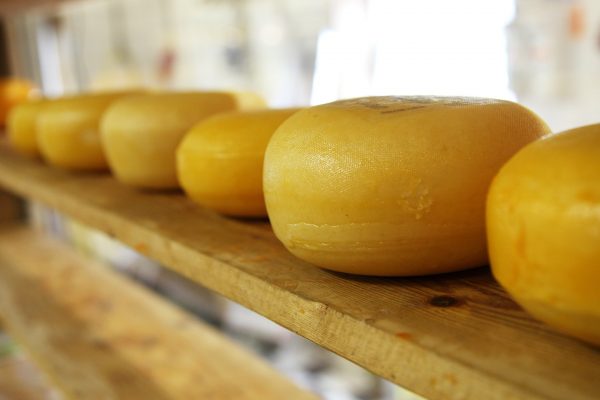
The expected results are: 1) to identify new procedures to improve animal health, food safety and the microbiological quality and cheese-making properties of milk; 2) to identify innovative procedures and operational tools to be used in the dairy industry to monitor the cheese-making and maturing phases of the cheese; 3) to define guidelines, technical manuals and fact sheets on the various procedures and techniques.

FHfFC - Future Home for Future Communities
Start date: 01/01/2017   End date: 31/12/2018

Regione Lombardia

Milano   Website

Diego Breviario

Project duration:
01/01/2017 - 31/12/2018
Financing body:
Regione Lombardia
Project research leader:
Diego Breviario
Headquarters:
Milano
Project website:
Website

FHfFC - Future Home for Future Communities


Development of a genetic authentication method capable of discerning the animal species, including fish, in products sold in the market. Species identification is attained by the production of a species-specific DNA barcode, generated by the application of a new version of the TBP (Tubulin-Based-Polymorphism) method.
SAFE&SMART
Start date: 01/09/2013   End date: 31/07/2017

MIUR

Milano, Lodi   Website

Diego Breviario

Project duration:
01/09/2013 - 31/07/2017
Financing body:
MIUR
Project research leader:
Diego Breviario
Headquarters:
Milano, Lodi
Project website:
Website

SAFE&SMART


TBP (Tubulin –Based-Polymorphism) analyses of several wheat species and varieties of Triticum durum. Development of a panel of molecular probes suitable for wheat species recognition in food.
LEGUPLUS - Evaluation of alternative legumes for sustainable and functional pig nutrition
Start date: 14/01/2021   End date: 13/01/2023

MIPAF

Milano, Lodi
Francesca Sparvoli

Project duration:
14/01/2021 - 13/01/2023
Financing body:
MIPAF
Project research leader:
Francesca Sparvoli
Headquarters:
Milano, Lodi

LEGUPLUS - Evaluation of alternative legumes for sustainable and functional pig nutrition


The general objective of the project, coordinated by the University of Milan, is the evaluation of the potential use of new bean lines, with low content of antinutritional factors, and accessions of white lupin and blue lupin of particular interest as innovative protein sources in piglet feeding, both in terms of nutritional efficiency and environmental impact. An in vivo trial in piglets at weaning will allow to evaluate the nutritional efficiency of the new feeds, to identify variations of the intestinal microbiota associated to the different diets that will be tested and, finally, to evaluate the effective bioavailability of macro- and micronutrients and the reduction of environmental impact, both in terms of reduced excretion of phosphorus and minerals, and from the microbiological point of view. IBBA-CNR will be responsible for assessing and providing the bean genetic materials and for the activities related to microbiota analysis.

MAMMAL: Minimally-modified AMino Microbiota heALth
Start date: 01/01/2021   End date: 30/06/2023

EIT FOOD

Lodi, Pisa   Website

Carlotta De Filippo

Project duration:
01/01/2021 - 30/06/2023
Financing body:
EIT FOOD
Project research leader:
Carlotta De Filippo
Headquarters:
Lodi, Pisa
Project website:
Website

MAMMAL: Minimally-modified AMino Microbiota heALth


The MAMMAL project aims to improve infant formula by determining the impact of food processing on the generation of specific proteins included in the product which in turn promote a healthy gut microbiome.

MAMMAL will involve development of a platform using Machine Learning algorithms to process data from this research. This will enable us to connect food processing with the generation of different specific modified proteins and determine the effects these have on infants’ gut microbiota.  Companies which product infant formula will be able to use this platform to determine the most beneficial proteins to include, helping them to develop formula which promotes a healthy gut microbiome. The platform will also provide guidance on food processing and develop new targeted protein formulations which could be used within infant formula.


MIGHT: Gut Microbiota as a bioremediator for gut-health in infants
Start date: 01/01/2022   End date: 28/02/2026

CNR

Lodi, Pisa   Website

Carlotta De Filippo

Project duration:
01/01/2022 - 28/02/2026
Financing body:
CNR
Project research leader:
Carlotta De Filippo
Headquarters:
Lodi, Pisa
Project website:
Website

MIGHT: Gut Microbiota as a bioremediator for gut-health in infants


Understanding the relationship between diet, metabolites and host/microbiota is one of the key challenges in studying personalized nutrition for the more fragile segments of the population, such as children. In this regard, the incomplete digestive system of the infant fed with milk-based formulas can be affected by modifications of proteins/carbohydrates deriving from the manufacturing processes. Since the gut microbiota is crucial for homeostasis and the development of a functional immune system or the onset of intolerances, its modulation through dietary interventions is one of the most promising approaches.

The MIGHT project innovates the production of artificial milks, demonstrating that minimally modified amino acids could have specific positive outcomes (production of short-chain fatty acids, known for their anti-inflammatory properties) in the presence of some microbial species, even in the case of a reduced digestibility in the small intestine. Furthermore, IT tools (nutrition ontologies) will be developed, and data structuring will be managed through dedicated database resources. The results will be used as an interconnected set of innovative tools with the design of targeted modifications of proteins and amino acids in foods for other fragile segments of the population such as the elderly in order to improve the quality of formula and the health of the gut microbiota.


SIMCA - Innovative solutions for the improvement of the production technologies of the Valtellina Casera DOP in the process of reviewing the Disciplinary
Start date: 29/12/2022   End date: 28/12/2024

Regione Lombardia

Lodi
Bianca Castiglioni

Project duration:
29/12/2022 - 28/12/2024
Financing body:
Regione Lombardia
Project research leader:
Bianca Castiglioni
Headquarters:
Lodi

SIMCA - Innovative solutions for the improvement of the production technologies of the Valtellina Casera DOP in the process of reviewing the Disciplinary


The project aims to provide scientific evidence to support a revision of the production specification for Valtellina Casera DOP cheese to improving product quality. To this end, the entire production chain will be considered, from breeding to cheese ripening, verifying the influence of some production choices on the characteristics of the cheese. Specifically, we will evaluate the influence of: milk of different bovine breeds, use of raw milk in the dairy process, use of native and protective enzymes, curd pressing methods and cheese ripening methods.

The influence of cheese microbiota will be evaluated, through cultural methods and metagenomic analysis, on the (bio)chemical processes that characterize the maturation of the cheese, and on the sensory characteristics. The evidence obtained will provide useful elements for a precise revision of the specification and will also be able to provide elements to support a differentiation of the cheese within the PDO.

PNRR AGRITECH (SPOKE 9) - New technologies and methodologies for traceability, quality, safety, measurement, and certification to enhance and protect typicality in agri-food supply chains
Start date: 01/09/2022   End date: 30/04/2026

MUR

Milano, Lodi, Pisa   Website

Laura Pucci

Project duration:
01/09/2022 - 30/04/2026
Financing body:
MUR
Project research leader:
Laura Pucci
Headquarters:
Milano, Lodi, Pisa
Project website:
Website

PNRR AGRITECH (SPOKE 9) - New technologies and methodologies for traceability, quality, safety, measurement, and certification to enhance and protect typicality in agri-food supply chains


Spoke 9 aims to conceive, design, test, and disseminate innovative digital solutions to understand the origin, authenticity, and guarantee the safety of agricultural products, with the aim of enhancing and protecting the unique characteristics of agri-food supply chains. Within Spoke 9, IBBA is involved in Task 9.11 (Chemical, Physical, Biological, Sensory, and Genetic methods and protocols for the measurement of product quality and traceability of food matrices and for soil characterization) and 9.1.5 (Modeling sustainability and quality of farm processes and food using on-farm and lab measurements).

In Task 9.1.1, IBBA aims to validate a genetic profiling method based on intron length polymorphisms of the β-tubulin (TBP) gene family for the authentication of olive and cereal cultivars supplied by partners.

In task 9.1.5, an in vivo study on cattle allows us to evaluate the effect of feed supplemented with natural substances on antibiotic resistance and the quality of milk produced, determining chemical and biofunctional parameters. Thanks to the collaboration with ISTI, the use of visible and hyperspectral imaging, combined with machine learning, is being investigated as a rapid, non-destructive, and cost-effective alternative to traditional laboratory chemical analyses for assessing milk quality.

PNRR ONFOODS (SPOKE 6) - Tackling Malnutrition
Start date: 01/10/2022   End date: 30/04/2026

MUR

Lodi, Pisa   Website

Carlotta De Filippo

Project duration:
01/10/2022 - 30/04/2026
Financing body:
MUR
Project research leader:
Carlotta De Filippo
Headquarters:
Lodi, Pisa
Project website:
Website

PNRR ONFOODS (SPOKE 6) - Tackling Malnutrition


Malnutrition represents one of the major contemporary public health and social challenges, with a significant impact on health, quality of life, and resilience of the most vulnerable population groups. Within this framework, the project is embedded in the activities of Spoke 06 “Tackling Malnutrition” and aims to develop targeted and sustainable nutritional strategies for children with obesity, fragile paediatric subjects, and older adults at risk. The adopted approach is multidimensional, integrating biological, nutritional, environmental, and socioeconomic factors, and highlighting the key role of the gut microbiota in the prevention and management of malnutrition.

In this context, IBBA is strongly involved through the GLUTTON and GUITARIS projects, which focus respectively on improving infant formula composition and on targeting the gut microbiota as a nutritional lever in malnutrition and associated diseases. The activities include the identification of biomarkers, the investigation of mechanisms of action of sustainable bioactive molecules, and the evaluation of innovative and personalised nutritional interventions. The results contribute to the development of sustainable dietary models, functional foods, and evidence-based tools to support food policies, as well as dissemination and awareness-raising activities targeting vulnerable populations

Istituto

Search website